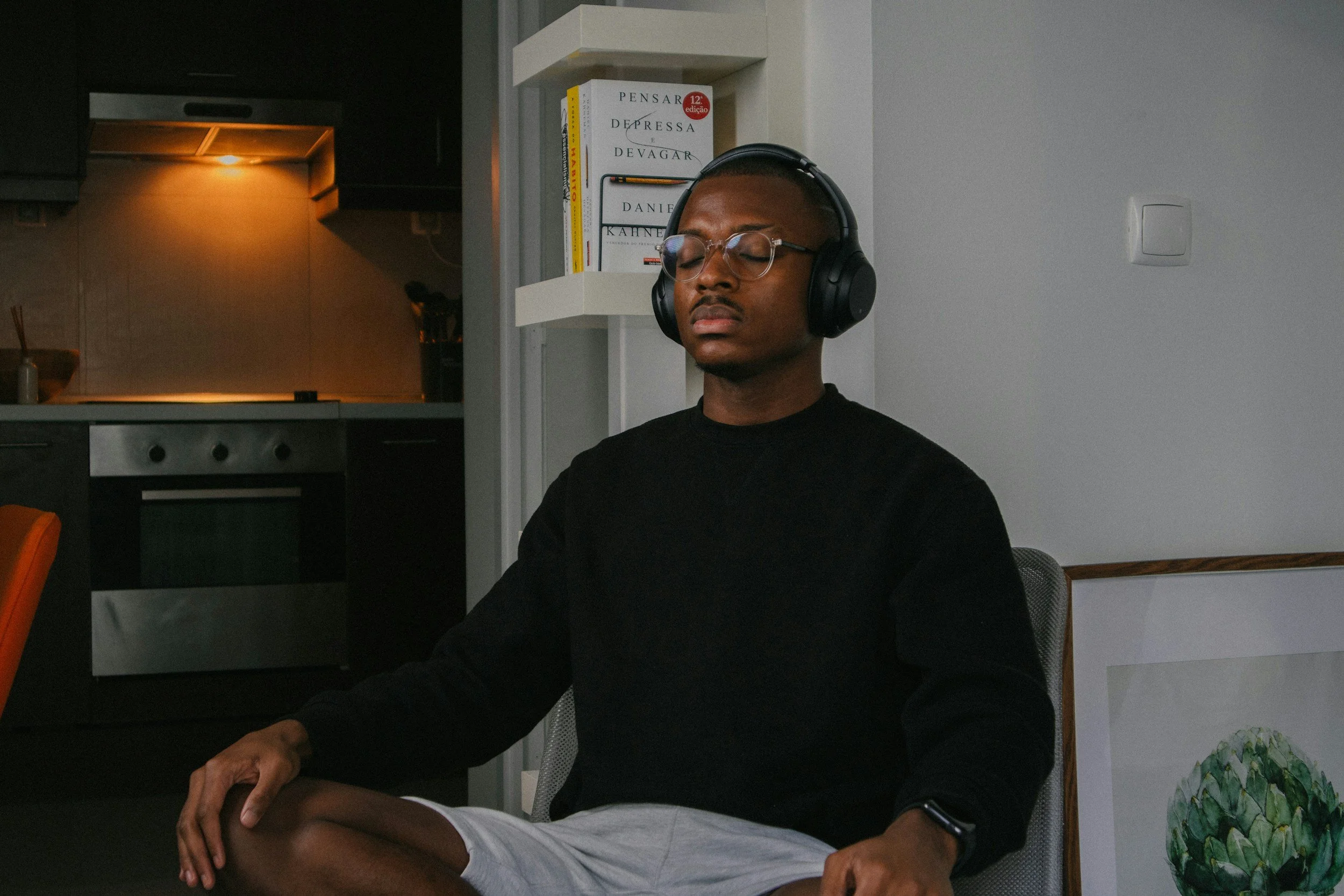

When Gratitude Feels Like a Stretch
Let’s be honest — gratitude is easy when life feels spacious and calm. But when responsibilities pile up, emotions run high, or the holiday season stirs up memories and expectations… gratitude can feel like one more thing on your to-do list.
At Inspired Healing Therapy, we often tell clients:
“Gratitude isn’t about ignoring your struggles. It’s about making room for life’s small glimmers, even when things feel heavy.”
In fact, gratitude therapy is most powerful when your world feels chaotic. It doesn’t erase stress, grief, or uncertainty, but it softens the edges. It reminds your nervous system that safety and goodness still exist, even if they’re hiding in tiny pockets.
This November, let’s explore how to cultivate mindful thankfulness in a way that feels grounding, accessible, and deeply human.

The Science of Gratitude During Stressful Times
Gratitude is more than a feeling — it’s a practice with measurable effects on the brain and body.
Research shows that consistent gratitude practice can:Boost serotonin and dopamine
Lower cortisol (the stress hormone)
Improve sleep and emotional regulation
Strengthen your capacity for joy and connection
Reduce symptoms of anxiety and depression
When chaos hits, your nervous system often shifts into fight-or-flight mode. Gratitude invites a small pause, signaling to your brain:
“Here is something steady. Here is something safe.”
Mindfulness in November becomes a way of gently steering your attention back to what grounds you, even if it’s fleeting or imperfect.
Mindfulness and Gratitude: The Perfect Pair
Gratitude therapy works best when paired with mindfulness — the practice of staying present without judgment.
When we slow down enough to notice what’s here, gratitude emerges naturally.
Mindfulness might look like:
Feeling warmth from your mug before your first sip
Noticing a moment of quiet before your day begins
Breathing intentionally when holiday traffic spikes your nervous system
Acknowledging a kind text or smile from someone you love
Gratitude practice isn’t about “thinking positive.” It’s about being aware of what nourishes you, moment by moment.

Therapist Spotlight: Maggie — Finding Meaning in Small Moments
This week, we’re highlighting Maggie, one of our compassionate clinicians who incorporates mindfulness, grounding work, and gratitude-based tools into her therapeutic approach.
Maggie often reminds clients that gratitude doesn’t need to be profound or poetic. Sometimes, the most healing gratitude is quiet and ordinary.
Maggie’s approach validates the emotional complexity of the season while offering simple, accessible practices that help clients reconnect with themselves.
If you're drawn to her style, you can learn more about her here:
👉 https://www.inspiredhealingtherapy.com/maggie
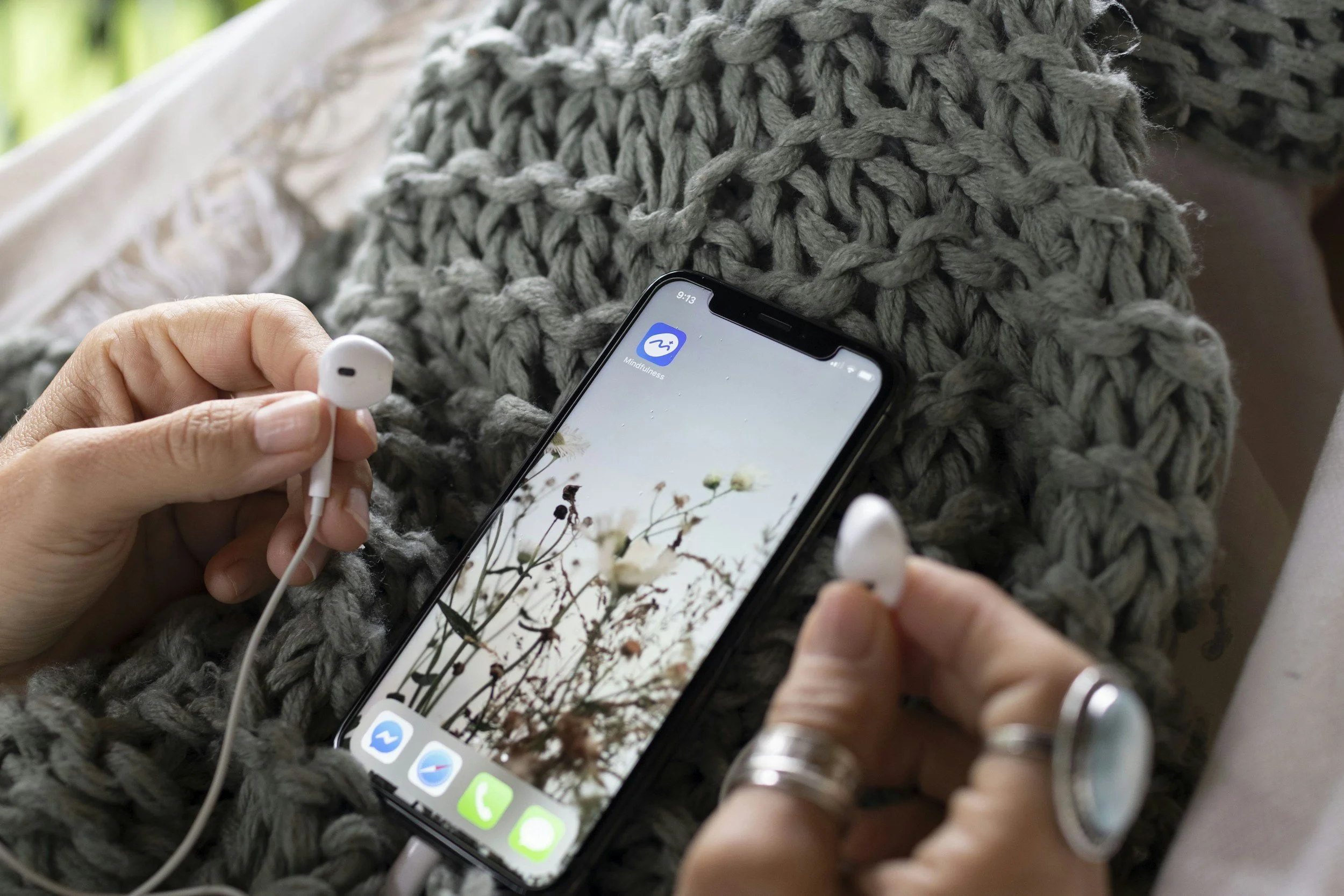
A Therapist’s Guide to Practicing Gratitude in Chaos
Here are a few grounded, healing practices that can help you cultivate a meaningful gratitude practice — even during stressful seasons.
1. Try the “One Good Thing” Technique
Instead of forcing yourself to list three or five things, try focusing on just one each day.
Ask yourself:
“What is one thing that brought me comfort or relief today?”
This keeps gratitude gentle and realistic.
2. Practice a 30-Second Mindful Pause
You don’t need a meditation cushion or 20-minute window.
Try this simple practice:
Pause.
Inhale slowly for 4 seconds.
Exhale for 6 seconds.
Notice one thing supporting you — a warm blanket, a ray of sun, a deep breath.
This is mindfulness at its simplest.
3. Reframe, Don’t Replace
Instead of telling yourself:
“I should be more grateful,”
try:“I can hold gratitude and frustration at the same time.”
This CBT-informed approach invites compassion, not pressure.
4. Write Messy Gratitude
Gratitude journals don’t need to be pretty.
You can write things like:
“I’m grateful I made it through today.”
“I’m grateful for the 10 quiet minutes I had.”
“I’m grateful the day is over.”
It all counts.
5. Anchor Gratitude to Daily Habits
Pair gratitude with:
brushing your teeth
drinking water
eating meals
waiting at a red light
This helps gratitude feel like a grounding tool, not homework.
6. Embrace “Micro-Thankfulness”
Look for tiny moments:
the smell of coffee
a soft sweater
your pet curling up beside you
a song that lifts your mood
Small gratitude is real gratitude.
What to Do When Gratitude Feels Impossible
Some days are too heavy to feel thankful — holidays included.
On hard days, try these alternatives:
Accept what you’re feeling without judgment.
Notice one thing that feels neutral rather than positive.
Name something that feels steady or familiar.
Focus on comfort instead of gratitude.
Remember: gratitude is not a requirement. It is an invitation.
And if chaos makes gratitude feel out of reach, that is a sign of your humanity — not a failure.
Reflective Gratitude Prompts for November
Here are a few therapist-crafted prompts for cultivating mindful thankfulness:
What small moment today softened my stress?
What is something I appreciated this week that I would normally overlook?
Who made me feel seen, even briefly?
What is one thing my body allowed me to do today?
Where did I find a moment of quiet or relief?
Use these gently — no pressure to write a full essay. Need a place to put these? Our Take a Moment Printable Guided Journal for Mindfulness, Reflection & Gratitude is here for you! The digital version is on sale this month. Head on over to our Therapy Shop to check it out.
A Gentle Ending Ritual
Before bed:
Place your hand on your heart.
Take a slow breath.
Whisper in your mind or aloud: “I did enough today.”
If you can add, “And I’m grateful for…” — beautiful.
If not — the self-compassion is enough.
If Gratitude Feels Like Too Much Right Now, You Don’t Have to Navigate It Alone
The holiday season can be emotionally overwhelming — especially when life already feels chaotic. If you’re feeling disconnected, stressed, or unsure where to begin with mindfulness or gratitude therapy, we’re here to support you.
At Inspired Healing Therapy, our clinicians offer grounded, compassionate, personalized care to help you reconnect with yourself — at your own pace.
If you’re ready to explore gratitude practice, emotional regulation, or simply want a safe place to breathe and unpack, we’re here.
🌿 Reach out to schedule a session:
👉 https://www.inspiredhealingtherapy.com/contact
You deserve steadiness.
You deserve support.
You deserve moments of peace — even in chaos.
FAQs
Q: What if gratitude feels forced for me?
That’s completely normal. Try focusing on moments of neutrality or relief instead. Gratitude grows naturally with gentleness, not pressure.
Q: How does mindfulness help with gratitude?
Mindfulness helps quiet the noise long enough to notice what’s nourishing — even small things. The more present you are, the more gratitude becomes accessible.
Q: Can therapy help me build a gratitude practice?
Absolutely. Therapists can help you create personalized strategies, reframe unhelpful thoughts, and integrate mindfulness into daily life.
Q: What if I feel more stressed during the holidays?
Holiday overwhelm is incredibly common. Therapy can help you set boundaries, regulate emotions, and feel more grounded in your body and relationships.
