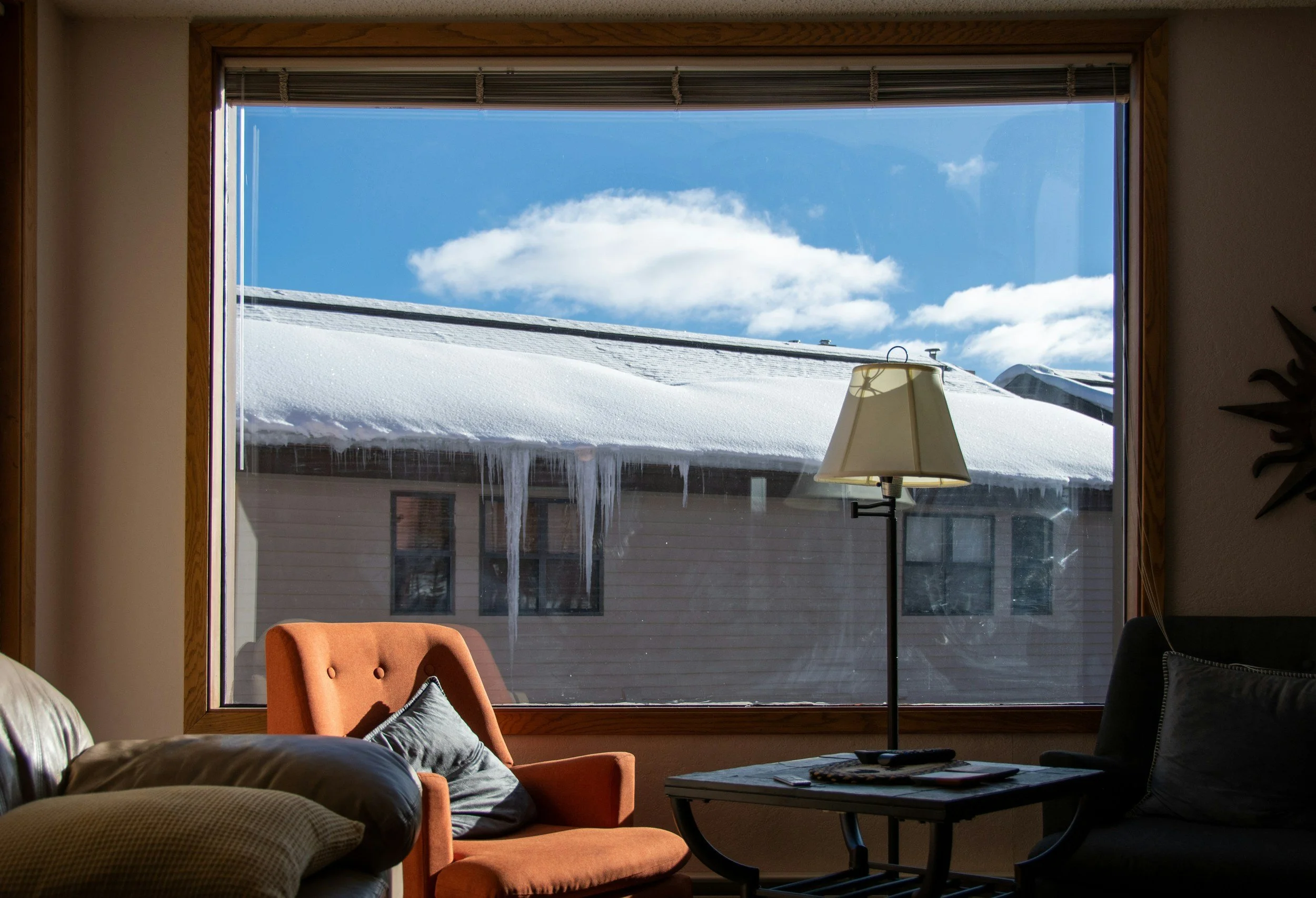

If you’ve ever wondered why this season feels “loud” in your body, you’re not imagining it. Your nervous system has a lot to manage in December — and for those of us in Michigan and the Midwest, winter adds an extra layer of intensity.
This guide and the therapy team at Inspired Healing Therapy can help you understand what’s happening physiologically, why your body reacts the way it does, and how to support yourself through the season using therapist-backed, accessible tools.
Why This Season and Midwestern Winters May Feel Like Overwhelm To Your Nervous System
Many people assume holiday stress is a mindset or a personality flaw. But the truth is much more compassionate: holiday overwhelm is a physiological response. And that response gets amplified by Midwest winter conditions.
Here’s what your nervous system is actually dealing with:
1. Sensory Overload From Events, Expectations, and Emotion
The holidays pack a high concentration of stimuli:
Loud gatherings
Family dynamics
Travel
Shifts in routine
Pressure to be “on,” grateful, cheerful, or available
Your brain is constantly scanning this sensory environment. Even positive events can activate your sympathetic nervous system — the energy that mobilizes you for “doing,” problem-solving, and surviving the moment.
No wonder you feel overstimulated.
2. Long, Dark Evenings Impact Mood and Energy
In Michigan, sundown around 4:45pm can drastically change the way your body functions. Low light can:
decrease serotonin (impacting mood)
disrupt circadian rhythm
reduce natural energy cycles
increase fatigue and irritability
Cold temperatures also cue the body to brace. Shoulders lift. Muscles tighten. We hunch, shiver, and brace ourselves without noticing — increasing the “fight or flight” signal.
Your nervous system is working harder all season long.
3. The Window of Tolerance Gets Smaller
Think of the window of tolerance as the emotional bandwidth where you feel grounded, present, and able to respond intentionally.
During December, it’s common for your window to shrink.
Signs you’re slipping out of it:
Snapping at family members
Feeling numb or disconnected
Trouble sleeping or oversleeping
Overthinking or catastrophizing
Feeling tense or wired
Difficulty being present
Again — this isn’t personal. It’s your body trying to manage too much input with too few resources.

Common Holiday Triggers and Why Your Body Reacts
So much of holiday stress gets blamed on mindset. But most triggers are embodied experiences. Here’s what may be activating you this month:
1. Returning to Old Family Roles
Many adults report feeling 15 again the moment they walk into their childhood home.
Your nervous system recognizes old environments and unconsciously shifts into remembered relational patterns:
Being the helper
Mediating conflict
Keeping the peace
Becoming the “responsible” one
Feeling unheard or unseen
This is not immaturity. It’s neurobiology.
2. Grief and Emotional Dissonance
For many people:
someone is missing
traditions don’t look the same
family dynamics have shifted
the season feels heavier than it used to
Your nervous system carries the emotional imprint of past holidays. Nostalgia and grief can activate the same stress pathways as conflict.
3. Overcommitment + Social Fatigue
Even if you enjoy holiday gatherings, every event requires emotional labor: small talk, being attentive, managing interactions, participating socially.
Combine that with cold-weather isolation, disrupted routines, and early darkness?
The emotional cost adds up quickly.
Therapist-Backed Tools to Support Your Nervous System This December
As a licensed professional counselor, I would like to share these simple, accessible, yet effective practices, especially curated for Michigan winters.
1. Micro-Regulation for When You’re Overwhelmed
These take 30 seconds or less:
• Extended Exhale
Inhale for 4, exhale for 6.
This signals the parasympathetic nervous system to slow the body down.
• Hand-Warming
Wrap both hands around a mug, hot pack, or pocket warmers.
Warmth decreases sympathetic activation and helps your body feel safer.
• Orienting
Look around the room and name:
1 thing you see
1 thing you hear
1 thing you feel
This grounds your brain in the present instead of old emotional patterns.
2. Winter-Specific Regulation Tools (Michigan Edition)
• Light Exposure as Medicine
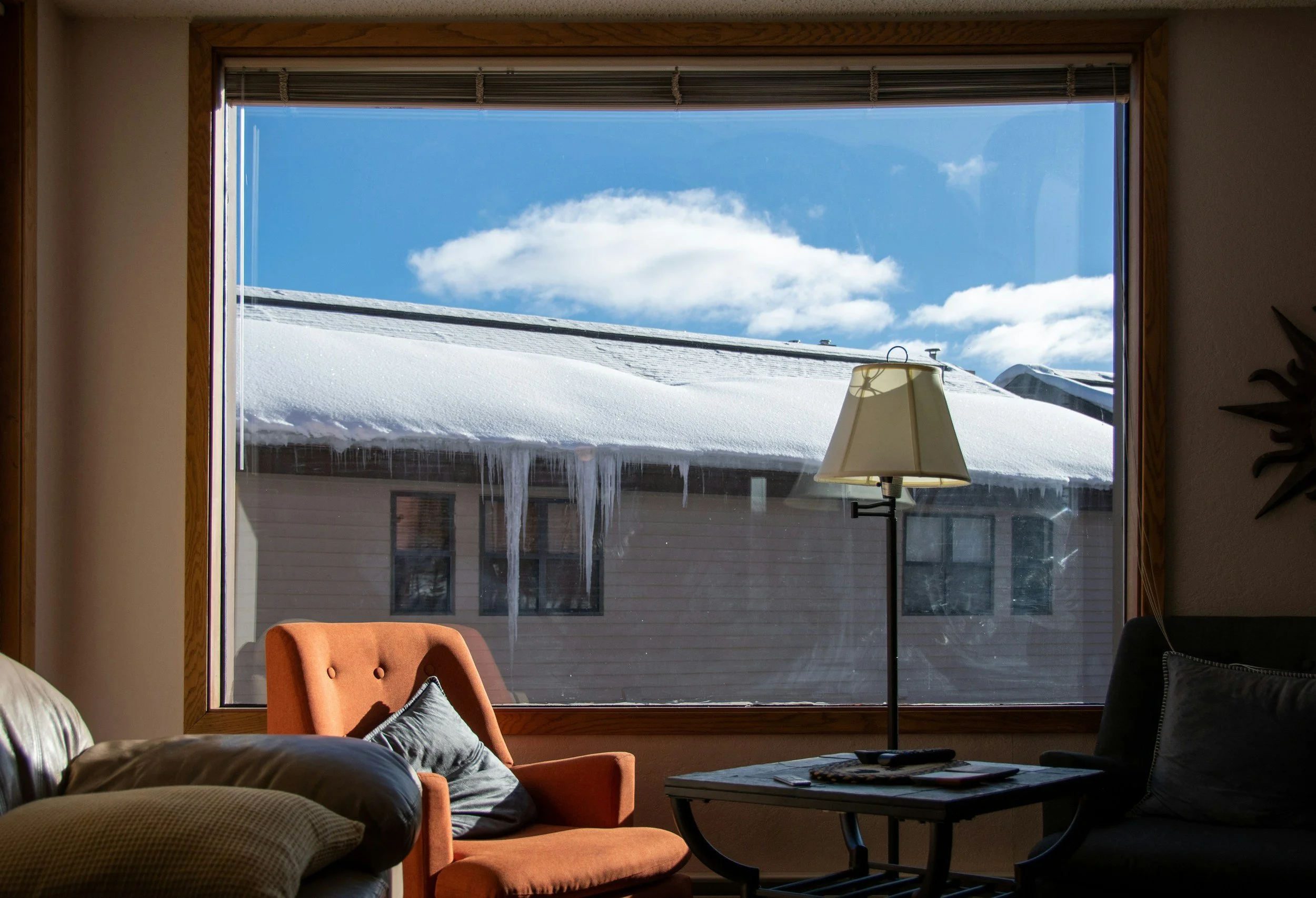
Spend 10 minutes near a window in the morning or use a therapy light.
This boosts serotonin and stabilizes energy.
• Warmth Rituals
Tiny moments like heating a blanket, taking a hot shower, or using a heated seat in the car can help relax chronic physiological bracing.
• Gentle Indoor Movement
You don’t need a full workout.
Try:
5-minute stretching
a short hallway walk
mall walking
at-home mobility
Movement helps discharge built-up stress hormones.
3. Social Boundaries That Protect Your Window of Tolerance
These scripts help without creating conflict:
“I’m going to take a quick breather — I’ll be back in 10 minutes.”
“I love seeing everyone, but I’m at capacity. I’m heading home a little early.”
“Can we pause this conversation? I want to talk when I can be more grounded.”
These are regulation tools — not rudeness.
4. Co-Regulation: Let People Help Your Nervous System
Healthy connection can soothe overwhelm.
You can ask for:
someone sitting close
a slower-paced conversation
a walk together
shared silence
a hand squeeze or hug
Your nervous system is wired for connection, not independence.
How to Tell When You Might Need More Support This Season
Consider reaching out for additional support if you notice:
persistent irritability
isolation from loved ones
trouble sleeping
loss of interest in things you usually enjoy
overwhelming dread
intense family triggers
symptoms of seasonal depression
You don’t have to navigate December — or the darker months — alone.

A Gentle December Reminder
You don’t need to be festive, social, energized, or emotionally available just because the calendar says it’s December. Your body is allowed to have limits.
This season becomes far easier when you treat your nervous system with kindness and awareness — and when you let yourself belong to the present moment, not old stories or pressures.
You’re doing the best you can, and that’s enough.
Inspired Healing Therapy offers a trauma-informed, gentle space to explore what your nervous system needs. Whether you are looking for talk therapy or another method of healing, like art therapy, dance/movement therapy, or music therapy, the clinical team is here to meet you where you are at this month.
-> Click on our Lets Get Started page to make the next step on your healing journey today.
