
Perinatal Mental Health

When Motherhood Feels Lonely: Building Emotional Support During Pregnancy and Postpartum

postpartum therapy support, needs look different for every person and family, this black and white photo depicts a birthing person gazing at their belly in anticipation of the changes to come

Motherhood is often described as a deeply connected experience. Full of love, bonding, and meaning.

And it definitely is some days! But for many women, the reality can feel very different at times.

Even surrounded by people, pregnancy and early motherhood can feel unexpectedly isolating.

At Inspired Healing Therapy, we often hear mothers quietly express something they feel unsure how to say out loud: “I feel lonely, even though I’m not alone.”

This experience is more common than many realize, especially during pregnancy and the postpartum period.

Loneliness in Motherhood Can Look Different Than You Expect

Postpartum loneliness does not always mean being physically alone.

In fact, many mothers experiencing loneliness are constantly surrounded by others: partners, family members, friends, and especially their babies.

But emotional loneliness is different.

It can feel like:

  • feeling misunderstood or unseen

  • struggling to connect with others emotionally

  • feeling distant even in close relationships

  • missing your sense of identity outside of motherhood

  • feeling like no one fully understands what you are experiencing

This emotional gap can be subtle, but powerful.

Why Pregnancy and Postpartum Can Feel So Isolating

There are many reasons maternal mental health can feel more fragile during this season.

1. Major Identity Shifts

Becoming a mother often brings a significant internal shift. Even if the transition is wanted, it can still feel disorienting to adjust to a new identity.

You are still you but also becoming someone new.

That in-between space can feel lonely.

2. Changes in Daily Connection

Social rhythms often change during pregnancy and postpartum. Friendships may shift. Conversations may feel less frequent or less relatable. Plans may become harder to maintain.

Even when support exists, it can feel different than before.

3. The Emotional Weight of Constant Caregiving

Caring for a baby or young child can be deeply meaningful — but also emotionally and physically consuming.

When your energy is constantly directed outward, there is often less space to feel connected inwardly or socially.

4. Feeling Misunderstood

Many mothers hesitate to share how they really feel because they worry about judgment or being misunderstood.

This can lead to silence, even when support is needed.

partners play a huge role in gauging needs of the birthing person in postpartum periods, therapy can be a vital resource, you don't have to face these challenges alone

Emotional Disconnection Is a Sign Worth Paying Attention To

Feeling disconnected does not mean something is wrong with you.

It often means something in your emotional environment needs attention and care.

Postpartum mental health is not only about mood changes like sadness or anxiety. It can also include emotional withdrawal, numbness, or feeling detached from others or even yourself.

These experiences deserve support, not dismissal.

Why Support Matters More Than Pushing Through

Many mothers try to manage loneliness by staying busy, staying strong, or waiting for things to “get better on their own.”

But emotional disconnection often does not resolve simply with time.

It usually needs connection to change.

That can look like:

  • honest conversations with safe people

  • rebuilding emotional support systems

  • creating space for your own needs again

  • receiving validation for your experience

  • exploring feelings in therapy

For many women, therapy for moms becomes a place where they can finally speak freely without needing to minimize or explain everything away.
couple and their baby attend a therapy session for postpartum mental health support in ferndale, michigan

How Therapy Can Help During Pregnancy and Postpartum

Therapy can support mothers in many ways during this season.

At Inspired Healing Therapy, support may include:

  • processing identity changes during motherhood

  • navigating feelings of loneliness or isolation

  • addressing anxiety, overwhelm, or emotional exhaustion

  • strengthening emotional support systems

  • making space for both joy and difficulty to coexist

Therapy does not replace connection in your life — but it can help you reconnect with yourself first, which often makes other connections feel more accessible again.

You Do Not Have to Wait Until You Feel More Alone

One of the hardest parts of maternal mental health struggles is how quietly they can build.

Because mothers are often still showing up, still caring for others, and still functioning, their own emotional needs can go unnoticed — even by themselves.

But loneliness in motherhood is not something you have to simply push through.

It is something that can be understood, supported, and softened over time.

This Mental Health Awareness Month is a reminder that emotional wellbeing matters in every season — including the ones that feel quiet, isolating, or hard to name.

At Inspired Healing Therapy, we believe mothers deserve connection, understanding, and support — not only when things feel overwhelming, but especially when they feel quietly lonely.

For Partners: Noticing Signs and Offering Support During Postpartum Depression

Partners often notice emotional changes before a mother feels ready to talk about them herself.

During pregnancy and postpartum, many mothers are focused on caring for everyone else while quietly minimizing their own emotional needs. This is one reason supportive, observant partners can play such an important role in postpartum mental health.

While every experience looks different, some signs that a mother may need additional emotional support can include:

  • withdrawing from loved ones

  • increased irritability or emotional overwhelm

  • persistent sadness or tearfulness

  • heightened anxiety or constant worry

  • difficulty resting, even when exhausted

  • feeling disconnected from herself, her baby, or daily life

  • expressing guilt, hopelessness, or feelings of failure

These experiences can sometimes be associated with postpartum depression (PPD) or postpartum anxiety, and they deserve compassion — not judgment.
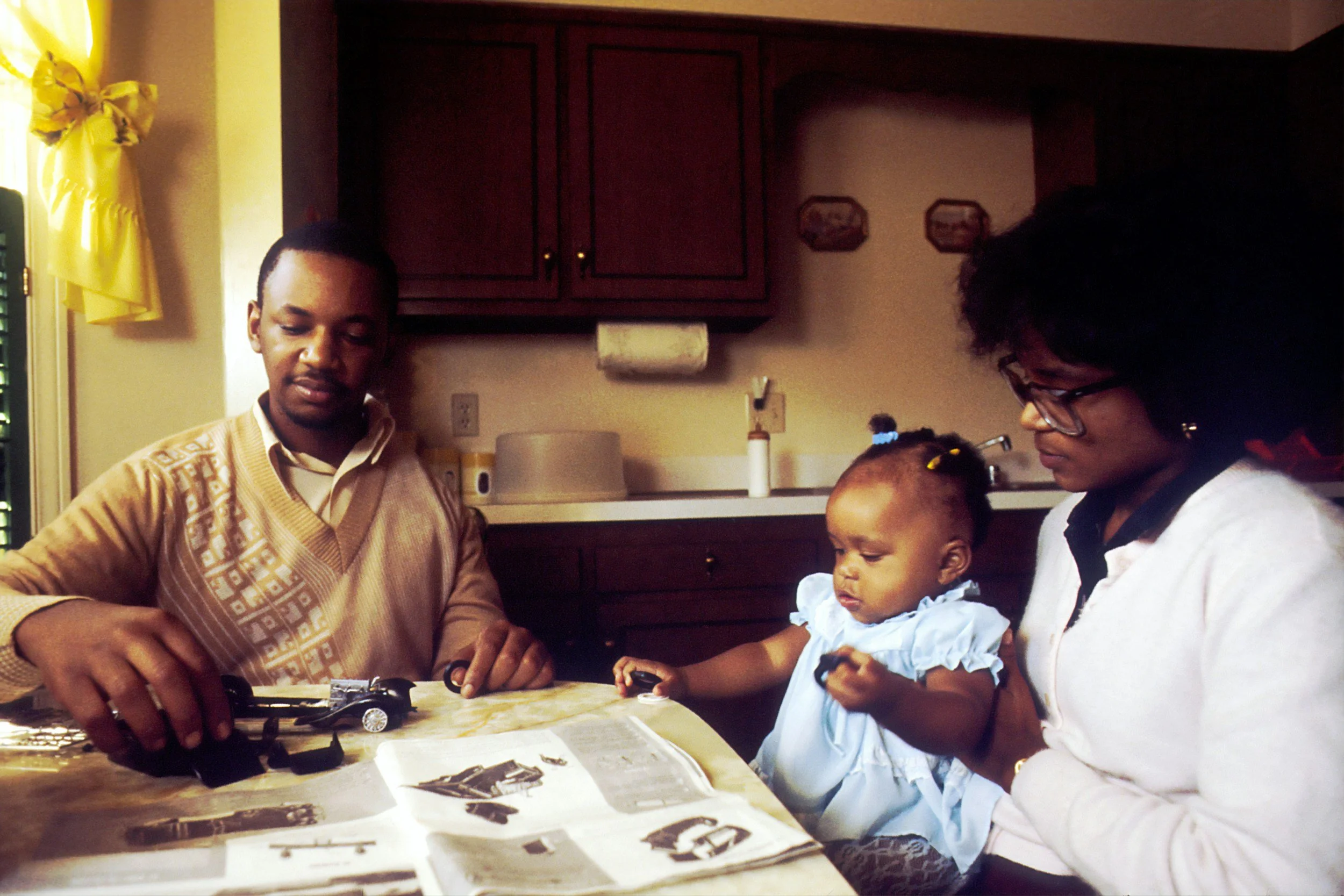
family sits around the dining table engaged in an activity together, postpartum support can be social, emotional, functional, and tailored to each family's needs. you don't have to navigate this stage alone

How Partners Can Help

Support does not require having all the right answers.

Often, the most meaningful thing a partner can do is help create emotional safety and reduce the pressure to “hold it all together.”

Helpful support may look like:

  • checking in gently and consistently

  • listening without immediately trying to fix the problem

  • validating emotions instead of minimizing them

  • encouraging rest and practical support where possible

  • helping reduce mental load and daily overwhelm

  • reminding mothers that needing support is not weakness

  • encouraging professional support if symptoms feel persistent or heavy

Even small moments of emotional support can help mothers feel less isolated during pregnancy and postpartum.

You Do Not Have to Navigate This Alone

For many families, seeking support together can be an important step toward healing and connection.

At Inspired Healing Therapy, we believe maternal mental health support includes caring not only for mothers, but also helping partners better understand the emotional realities of pregnancy, postpartum, and early parenthood. Our blog this month is all about maternal mental health and support for birthing persons.

Because when mothers feel supported, families feel supported too.


Why Maternal Mental Health Matters in Every Season of Motherhood

mother and baby embrace in monochromatic tones, a special view of the baby's teeny nose, prenatal and postpartum mental health services are available in michigan 48220

When people talk about motherhood, the focus often lands on the baby.

There are conversations about milestones, sleep schedules, feeding routines, and physical recovery. But far less often do we talk about the emotional experience of becoming and being a mother.

At Inspired Healing Therapy, we believe maternal mental health matters in every season of motherhood — not only during moments of crisis, but in the everyday emotional realities that often go unseen.

A mother’s emotional wellbeing affects how she feels, how she copes, how she connects, and how supported she feels while carrying the demands of daily life.

And those needs do not begin only after birth. They can show up during pregnancy, postpartum, early parenting, and every stage that follows.

Maternal Mental Health Begins Before Postpartum

When people hear the phrase maternal mental health, they often think only of postpartum depression.

But perinatal mental health includes emotional wellbeing during pregnancy and the postpartum period — and many mothers begin noticing emotional changes long before their baby arrives.

Pregnancy can bring excitement, hope, and anticipation. It can also bring worry, uncertainty, identity shifts, fear of the unknown, and pressure to prepare for a major life transition.

Even when a pregnancy is deeply wanted, it can still feel emotionally overwhelming.

Some mothers notice more anxiety. Others feel emotionally sensitive, mentally exhausted, or disconnected from themselves. Some simply feel unlike they expected to feel.

These experiences are more common than many people realize.

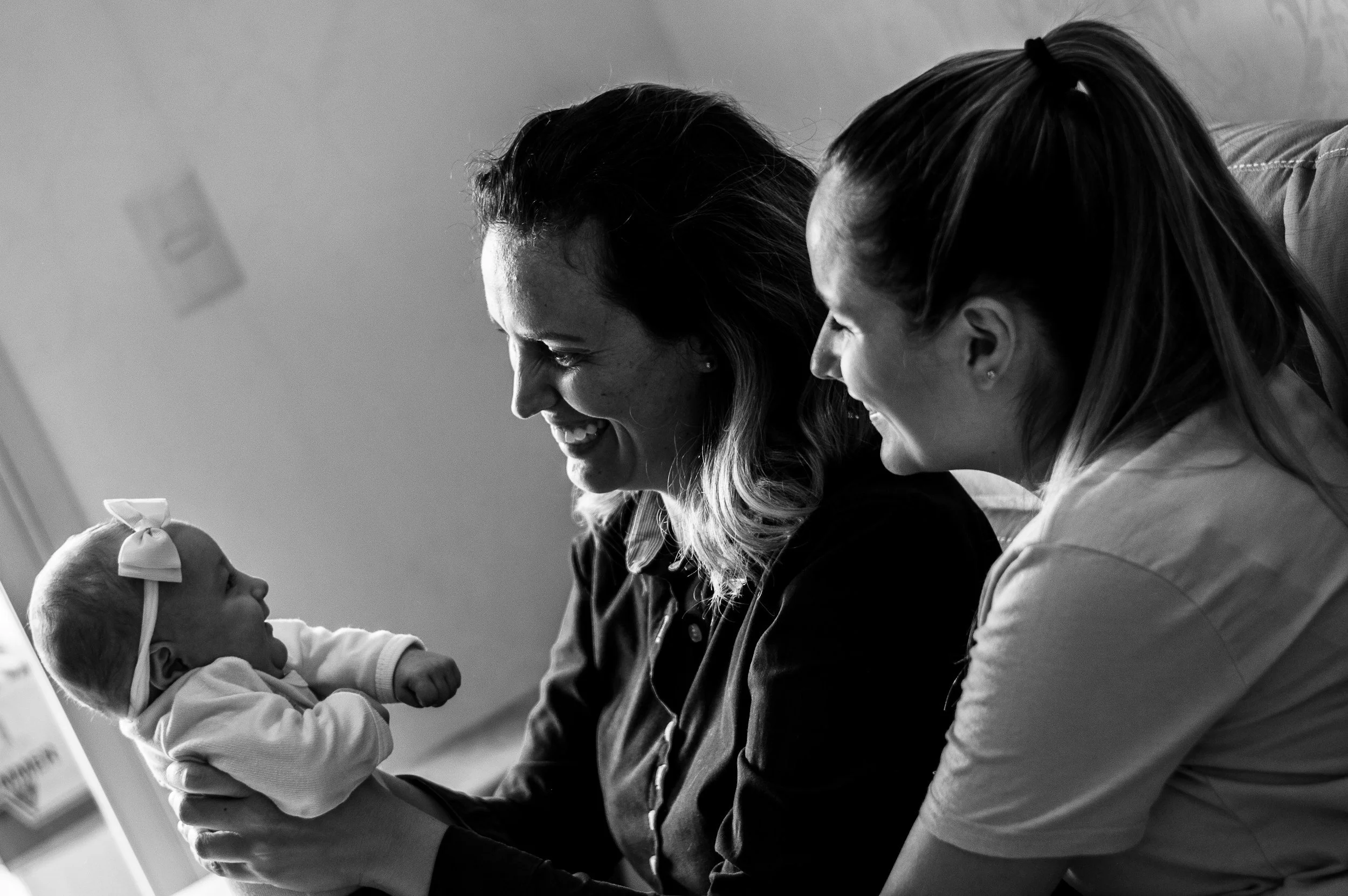
mom and baby gaze at each other shortly after birth, strengthening their bond, postpartum support in ferndale, MI 48220

The Postpartum Season Can Be Tender and Overwhelming

The postpartum period can be joyful and also deeply vulnerable.

Hormonal changes, sleep deprivation, physical recovery, feeding demands, and the emotional adjustment to caring for a new baby can create enormous mental and emotional strain.

For some mothers, this season includes tearfulness, anxiety, irritability, intrusive thoughts, or a persistent sense of being overwhelmed.

Others may feel guilt because they thought they would feel more grateful, more bonded, or more naturally adjusted than they do.

Needing postpartum emotional support does not mean you are doing anything wrong.

It means you are navigating one of the biggest transitions a person can experience.

Motherhood Continues to Affect Mental Health Long After the Baby Stage

Maternal mental health does not end when the newborn stage ends.

As children grow, the emotional demands of motherhood often evolve rather than disappear.

The mental load of remembering schedules, anticipating needs, making decisions, managing emotions, and holding everything together can quietly become exhausting.

Many mothers find themselves carrying invisible emotional labor every day.

This can look like:

  • feeling mentally “on” all the time

  • struggling to rest even when there is a moment of quiet

  • feeling overstimulated, impatient, or emotionally depleted

  • losing touch with parts of yourself outside of caregiving

  • feeling guilty for wanting space, support, or rest

These are not signs of failure.

They are often signs that support may be needed.

a mother with her two children smiles while they experience big emotions, a depiction of a woman holding their family unit together, carrying the mental load day after day , burnout support for moms is available in ferndale, MI

Why Maternal Mental Health Often Gets Overlooked

Many mothers become very skilled at functioning while struggling.

They show up for appointments. They care for their children. They keep the household moving. They answer messages, meet deadlines, and keep going.

From the outside, they may seem fine.

But inside, they may feel anxious, isolated, emotionally drained, or unlike themselves.

Because many mothers are still “managing,” they often minimize what they are carrying.

They tell themselves it is normal. They assume everyone feels this way. They believe they should be able to handle it alone.

But functioning is not the same as feeling well.

Common Signs a Mother May Need More Support

Maternal mental health struggles do not always look dramatic. Sometimes they look like:

  • constant worry or racing thoughts

  • irritability that feels out of character

  • emotional numbness or disconnection

  • difficulty relaxing, even when there is time to rest

  • feeling overwhelmed by ordinary daily demands

  • guilt, self-criticism, or feeling like you are never doing enough

These experiences matter.

Support Can Matter in Every Season of Motherhood

There does not have to be a breaking point before support becomes valuable.

For many women, therapy for moms offers a place to slow down, process emotions, understand patterns, and feel less alone in what they are carrying.

Therapy can support mothers through pregnancy, postpartum, parenting stress, identity shifts, anxiety, and the quiet emotional weight that can build over time.

At Inspired Healing Therapy, we believe mothers deserve care too.

Not only when things feel unmanageable. Not only when there is a clear crisis.

But in every season of motherhood.

Because when mothers feel supported, they are not only caring for themselves — they are creating space for greater wellbeing throughout the family.

mother and baby smiling, a congruent mirror image in their embrace. therapy for moms is life sustaining, support in michigan is available at Inspired Healing Therapy

Frequently Asked Questions About Maternal Mental Health

What is maternal mental health?

Maternal mental health refers to a mother’s emotional and psychological wellbeing during pregnancy, postpartum, and throughout motherhood. It includes how mothers manage stress, cope with life changes, and feel supported during different stages of parenting.

What is perinatal mental health?

Perinatal mental health refers to emotional wellbeing during pregnancy and the first year after birth. It can include anxiety, mood changes, overwhelm, identity shifts, and emotional adjustment during pregnancy and postpartum.

What are common signs of maternal mental health struggles?

Common signs of maternal mental health concerns can include constant worry, irritability, emotional exhaustion, difficulty sleeping, feeling disconnected, or feeling overwhelmed by daily responsibilities. These signs do not always look dramatic, but they still matter.

Is it normal to feel overwhelmed during pregnancy or postpartum?

Yes. Feeling overwhelmed during pregnancy or postpartum is common. Hormonal changes, sleep disruption, identity shifts, and the demands of caring for a baby can all affect emotional wellbeing. If these feelings feel persistent or heavy, extra support can help.

When should I seek therapy for pregnancy or postpartum mental health?

You do not need to wait until symptoms feel severe. Therapy for moms can be helpful when anxiety, overwhelm, irritability, emotional numbness, or ongoing stress begin affecting daily life, relationships, or your sense of wellbeing.

Does Inspired Healing Therapy offer perinatal mental health services?

Yes. At Inspired Healing Therapy, we offer perinatal mental health support for individuals navigating pregnancy, postpartum, motherhood transitions, and related emotional challenges. Therapy can help mothers feel more supported, understood, and equipped during these seasons.

Mental Health Awareness Month: What Therapy Can Actually Help With (Even If You’re Not in Crisis)

Mental Health Awareness Month, May 2026

During Mental Health Awareness Month, conversations around emotional wellbeing often become more visible. And while that awareness matters, there is still one common misconception that keeps many people from reaching out for support: the idea that therapy is only for moments of crisis.

Many people assume they need to be falling apart before therapy “counts.” They imagine therapy is only for severe anxiety, deep depression, major trauma, or life circumstances that feel completely unmanageable.

But that is only part of the story.

At Inspired Healing Therapy, we often work with people who look like they are holding it all together. They are going to work, caring for children, managing schedules, meeting responsibilities, and showing up for everyone around them.

And yet internally, they feel overwhelmed, emotionally exhausted, or unlike themselves.

Sometimes therapy begins not because everything has fallen apart, but because carrying everything has quietly become too heavy.

Therapy Is Not Only for Crisis

One of the biggest myths about therapy is that you need a major reason to start.

In reality, therapy can support people through everyday stress, emotional overload, relationship tension, parenting challenges, and major life transitions. You do not need to wait until life feels unbearable before reaching out.

For many people, especially women and mothers, emotional strain can build gradually. It may show up as irritability, trouble sleeping, constant worry, feeling disconnected, or the sense that you are functioning but not really feeling like yourself.

This is often where therapy can be especially helpful.

What Therapy Can Actually Help With

Therapy can support much more than crisis management.

At Inspired Healing Therapy, therapy often helps clients navigate:

  • anxiety that shows up as overthinking, perfectionism, or constant mental noise

  • parenting stress and the invisible mental load many mothers carry

  • maternal mental health concerns during pregnancy, postpartum, and early parenthood

  • relationship stress, communication challenges, or feeling emotionally disconnected

  • burnout, emotional numbness, or feeling stretched too thin

  • identity shifts during life transitions, including motherhood, career changes, and family changes

For many women, therapy for moms can be especially meaningful during seasons of transition. Pregnancy, postpartum, and parenting can bring joy, but they can also bring vulnerability, uncertainty, and emotional fatigue.

Seeking postpartum emotional support or help managing anxiety does not mean something is wrong. It means you are paying attention to what you need.

high-functioning mental health struggles often get missed and how psychotherapy services can help

Why High-Functioning Struggle Often Gets Missed

One reason many people wait too long to seek support is because they minimize what they are carrying.

If they are still functioning, they assume it must not be serious enough. If they are getting things done, they tell themselves they should be able to handle it.

But functioning is not the same as feeling well.

You can be productive and still anxious. You can be grateful and still emotionally depleted. You can deeply love your family and still feel overwhelmed by the constant pressure of caring for everyone else.

This is especially common among mothers, caregivers, and high-achieving adults who are used to pushing through stress without stopping to ask how they are really doing.

What Therapy Can Offer

Therapy offers more than a place to talk.

It can help you recognize patterns that keep repeating, understand why certain emotions feel so intense, and develop healthier ways of coping with stress.

For some people, therapy offers practical tools for managing anxiety and emotional overwhelm. For others, it becomes a place to process life transitions, reconnect with themselves, and feel less alone in what they are carrying.

Sometimes what people need most is a space where they do not have to hold everything together.

That alone can be deeply healing.

therapist in ferndale, MI offering music therapy and psychotherapy services

You Do Not Need to Wait Until It Gets Worse

There does not have to be a crisis to begin healing.

In fact, reaching out before things feel unmanageable can be one of the healthiest and most compassionate choices you make for yourself.

This Mental Health Awareness Month, it may be worth asking yourself a different question — not “Is it bad enough for therapy?” but “Would support help me carry this more gently?”

At Inspired Healing Therapy, we believe therapy can support people long before they reach a breaking point. Whether you are navigating anxiety, motherhood, emotional overwhelm, or a season of transition, support can help. Fill out this simple form to get started today!