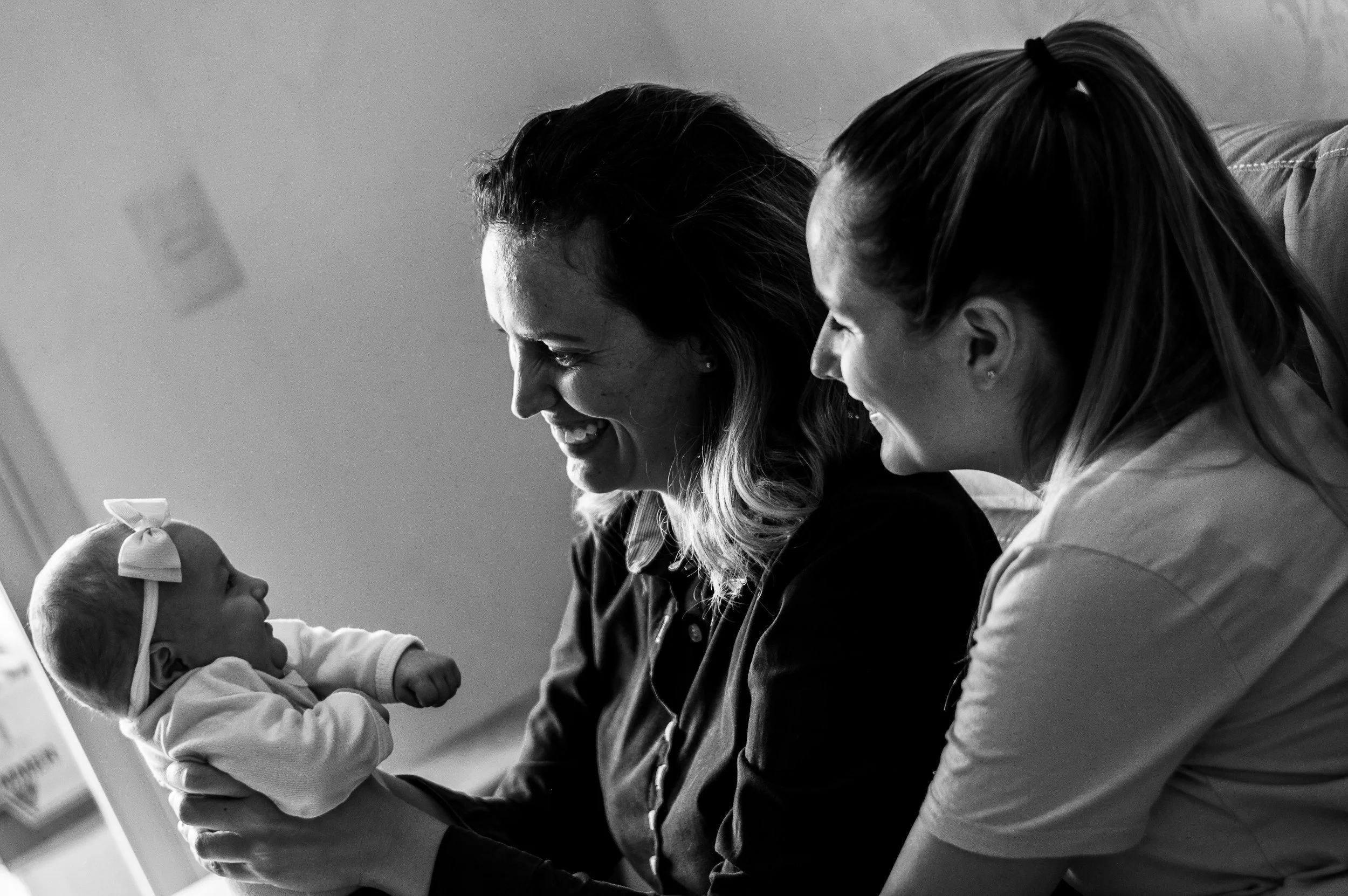

Motherhood is often described as a deeply connected experience. Full of love, bonding, and meaning.
And it definitely is some days! But for many women, the reality can feel very different at times.
Even surrounded by people, pregnancy and early motherhood can feel unexpectedly isolating.
At Inspired Healing Therapy, we often hear mothers quietly express something they feel unsure how to say out loud: “I feel lonely, even though I’m not alone.”
This experience is more common than many realize, especially during pregnancy and the postpartum period.
Loneliness in Motherhood Can Look Different Than You Expect
Postpartum loneliness does not always mean being physically alone.
In fact, many mothers experiencing loneliness are constantly surrounded by others: partners, family members, friends, and especially their babies.
But emotional loneliness is different.
It can feel like:
feeling misunderstood or unseen
struggling to connect with others emotionally
feeling distant even in close relationships
missing your sense of identity outside of motherhood
feeling like no one fully understands what you are experiencing
This emotional gap can be subtle, but powerful.
Why Pregnancy and Postpartum Can Feel So Isolating
There are many reasons maternal mental health can feel more fragile during this season.
1. Major Identity Shifts
Becoming a mother often brings a significant internal shift. Even if the transition is wanted, it can still feel disorienting to adjust to a new identity.
You are still you but also becoming someone new.
That in-between space can feel lonely.
2. Changes in Daily Connection
Social rhythms often change during pregnancy and postpartum. Friendships may shift. Conversations may feel less frequent or less relatable. Plans may become harder to maintain.
Even when support exists, it can feel different than before.
3. The Emotional Weight of Constant Caregiving
Caring for a baby or young child can be deeply meaningful — but also emotionally and physically consuming.
When your energy is constantly directed outward, there is often less space to feel connected inwardly or socially.
4. Feeling Misunderstood
Many mothers hesitate to share how they really feel because they worry about judgment or being misunderstood.
This can lead to silence, even when support is needed.

Emotional Disconnection Is a Sign Worth Paying Attention To
Feeling disconnected does not mean something is wrong with you.
It often means something in your emotional environment needs attention and care.
Postpartum mental health is not only about mood changes like sadness or anxiety. It can also include emotional withdrawal, numbness, or feeling detached from others or even yourself.
These experiences deserve support, not dismissal.
Why Support Matters More Than Pushing Through
Many mothers try to manage loneliness by staying busy, staying strong, or waiting for things to “get better on their own.”
But emotional disconnection often does not resolve simply with time.
It usually needs connection to change.
That can look like:
honest conversations with safe people
rebuilding emotional support systems
creating space for your own needs again
receiving validation for your experience
exploring feelings in therapy
For many women, therapy for moms becomes a place where they can finally speak freely without needing to minimize or explain everything away.
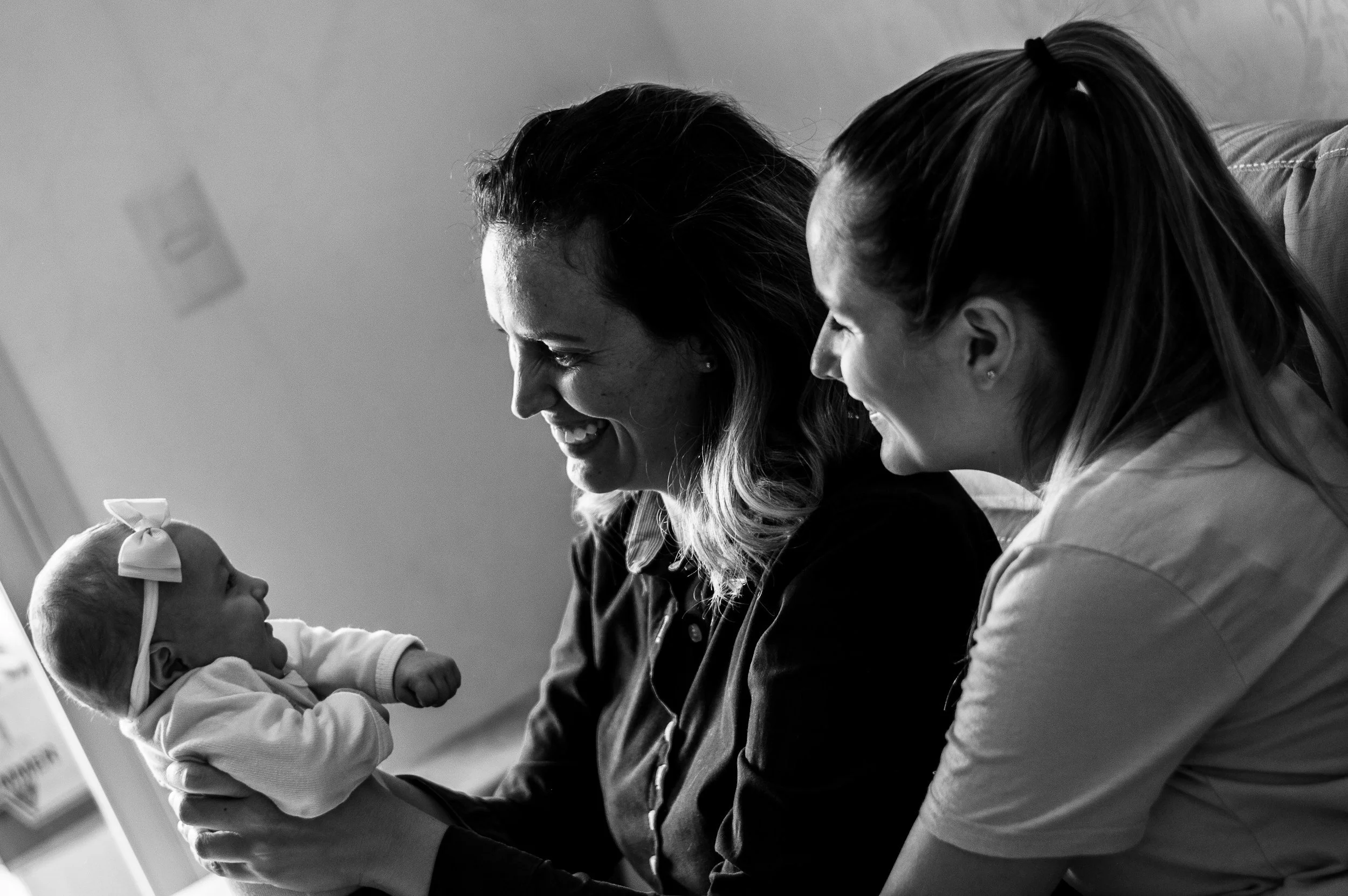
How Therapy Can Help During Pregnancy and Postpartum
Therapy can support mothers in many ways during this season.
At Inspired Healing Therapy, support may include:
processing identity changes during motherhood
navigating feelings of loneliness or isolation
addressing anxiety, overwhelm, or emotional exhaustion
strengthening emotional support systems
making space for both joy and difficulty to coexist
Therapy does not replace connection in your life — but it can help you reconnect with yourself first, which often makes other connections feel more accessible again.
You Do Not Have to Wait Until You Feel More Alone
One of the hardest parts of maternal mental health struggles is how quietly they can build.
Because mothers are often still showing up, still caring for others, and still functioning, their own emotional needs can go unnoticed — even by themselves.
But loneliness in motherhood is not something you have to simply push through.
It is something that can be understood, supported, and softened over time.
This Mental Health Awareness Month is a reminder that emotional wellbeing matters in every season — including the ones that feel quiet, isolating, or hard to name.
At Inspired Healing Therapy, we believe mothers deserve connection, understanding, and support — not only when things feel overwhelming, but especially when they feel quietly lonely.
For Partners: Noticing Signs and Offering Support During Postpartum Depression
Partners often notice emotional changes before a mother feels ready to talk about them herself.
During pregnancy and postpartum, many mothers are focused on caring for everyone else while quietly minimizing their own emotional needs. This is one reason supportive, observant partners can play such an important role in postpartum mental health.
While every experience looks different, some signs that a mother may need additional emotional support can include:
withdrawing from loved ones
increased irritability or emotional overwhelm
persistent sadness or tearfulness
heightened anxiety or constant worry
difficulty resting, even when exhausted
feeling disconnected from herself, her baby, or daily life
expressing guilt, hopelessness, or feelings of failure
These experiences can sometimes be associated with postpartum depression (PPD) or postpartum anxiety, and they deserve compassion — not judgment.
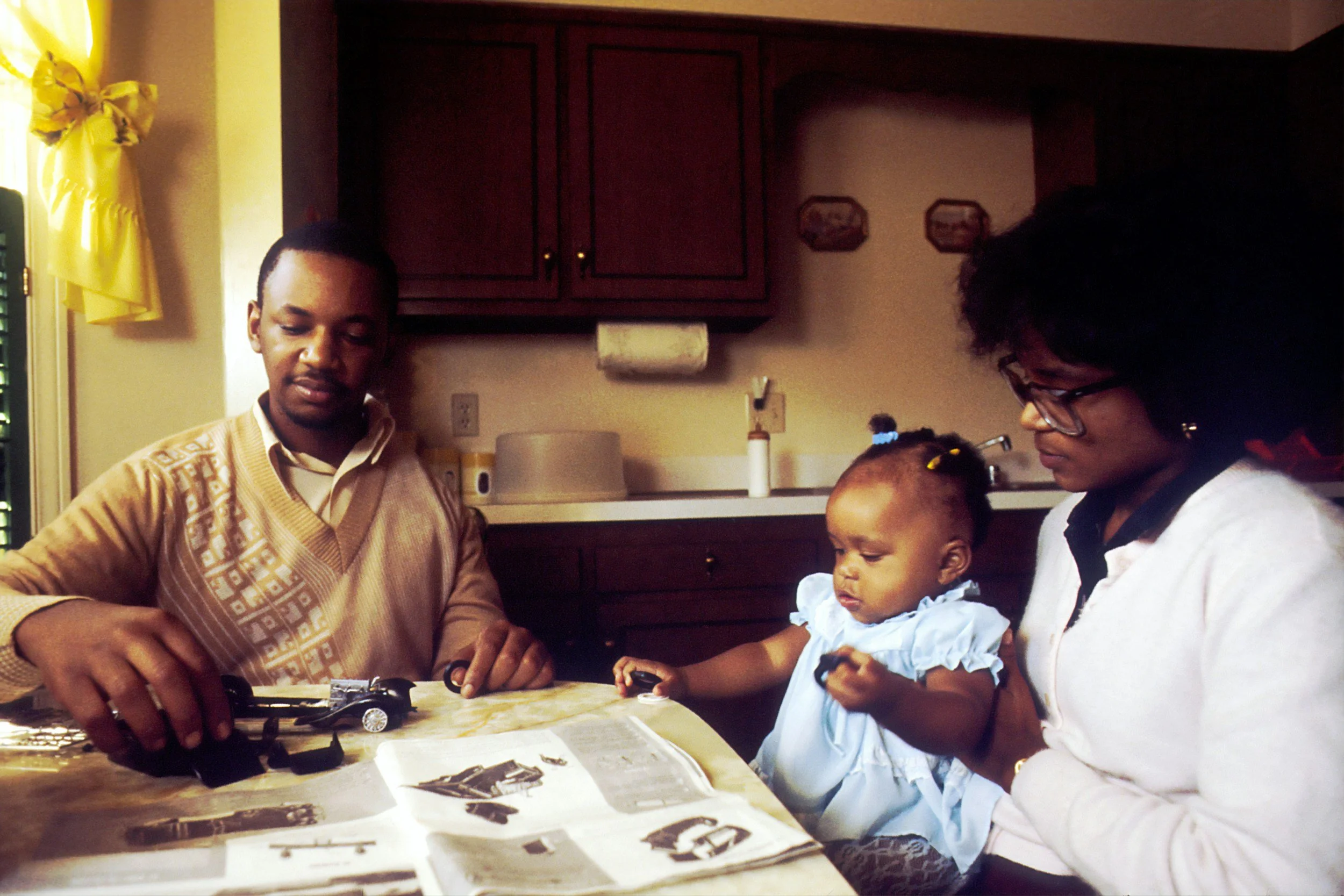
How Partners Can Help
Support does not require having all the right answers.
Often, the most meaningful thing a partner can do is help create emotional safety and reduce the pressure to “hold it all together.”
Helpful support may look like:
checking in gently and consistently
listening without immediately trying to fix the problem
validating emotions instead of minimizing them
encouraging rest and practical support where possible
helping reduce mental load and daily overwhelm
reminding mothers that needing support is not weakness
encouraging professional support if symptoms feel persistent or heavy
Even small moments of emotional support can help mothers feel less isolated during pregnancy and postpartum.
You Do Not Have to Navigate This Alone
For many families, seeking support together can be an important step toward healing and connection.
At Inspired Healing Therapy, we believe maternal mental health support includes caring not only for mothers, but also helping partners better understand the emotional realities of pregnancy, postpartum, and early parenthood. Our blog this month is all about maternal mental health and support for birthing persons.
Because when mothers feel supported, families feel supported too.
