
Reaching out for support isn’t always easy.
Maybe you’ve been thinking about therapy for a while.
Maybe something recently shifted.
Or maybe you just have a quiet sense that things could feel… better.
Wherever you’re starting from, one thing is true:
You don’t have to do it alone.
🤍 When Is It “The Right Time” to Start Therapy?
There’s a common belief that therapy is only for when things feel overwhelming or at a breaking point.
But therapy can also be supportive when:
You’re feeling stuck, uncertain, or disconnected
You’re navigating a life transition
You’re carrying stress, anxiety, or burnout
You want to better understand yourself and your patterns
You simply want a space that’s yours to process and reflect
You don’t need a crisis to begin.
Sometimes, starting earlier is what helps prevent things from becoming heavier.
🌿 What Therapy Is Actually Like
If you’ve never been to therapy before, it can feel intimidating, especially if you’re not sure what to expect.
Here’s what we want you to know:
You don’t need to have the “right words”
You don’t need to explain everything perfectly
You don’t need to have a clear goal right away
Therapy is a space where you can show up exactly as you are.
At Inspired Healing Therapy, sessions are:
Collaborative, not one-sided
Grounded in compassion, not judgment
Tailored to your pace and your needs
Some days might look like talking things through.
Other days might include learning tools to regulate your nervous system, exploring patterns, or simply sitting with what’s present.
There’s no one “right” way to do therapy, only what feels supportive for you.
🌼 Common Concerns (You’re Not Alone in These)
It’s completely normal to feel hesitant about starting.
You might be thinking:
“What if I don’t know what to say?”
“What if it feels uncomfortable?”
“What if it doesn’t help?”
These are all valid.
Starting something new can feel vulnerable. But you don’t have to have it all figured out before you begin.
Often, the first step is simply showing up.
🌱 Therapy as Support—Not a Last Resort
Therapy isn’t just about working through what’s hard.
It’s also about:
Building self-awareness
Creating space to breathe and reflect
Developing tools that support your day-to-day life
Feeling more connected to yourself
It’s a form of support you deserve, not something you have to earn.

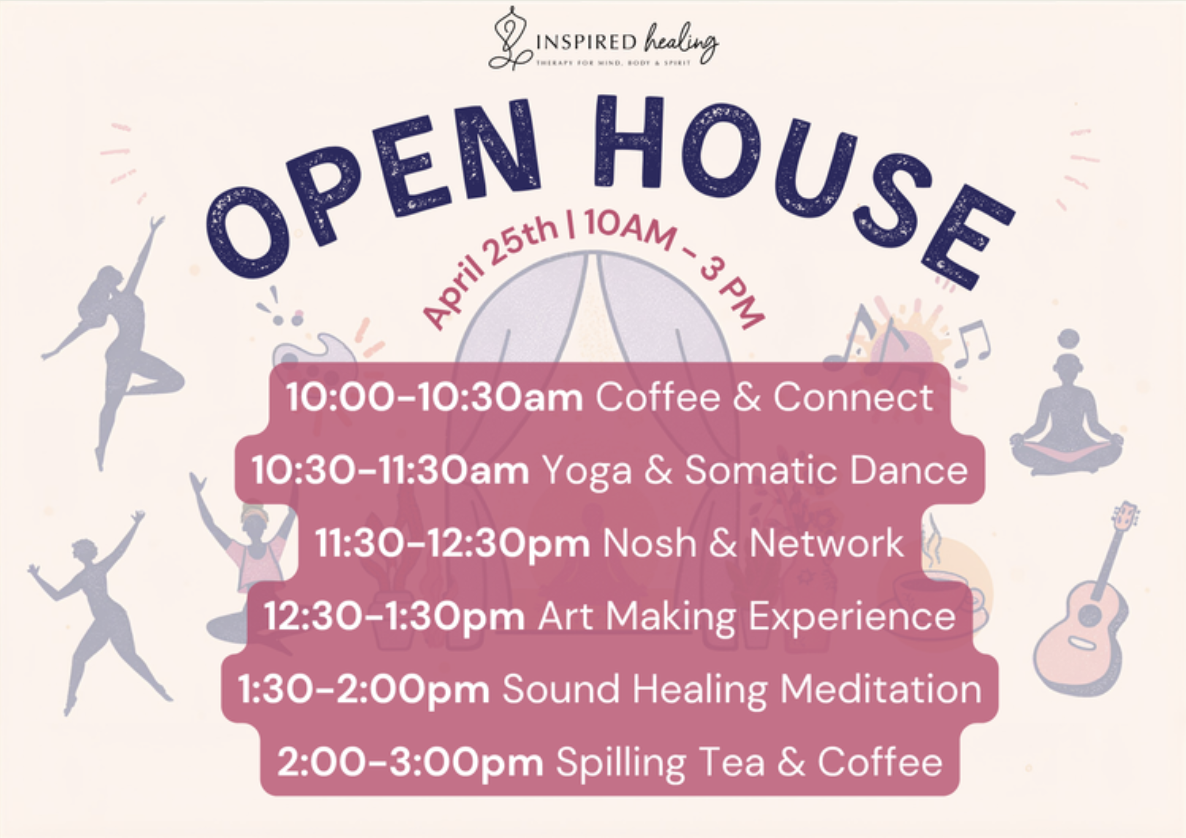
🎉 Growing With You: Our Ferndale, MI Location
We’re so excited to share that Inspired Healing Therapy is growing 🌿
With the opening of our new Ferndale, Michigan location, we’re expanding our ability to support more individuals and families seeking thoughtful, compassionate care.
This new space was created with the same intention that guides all of our work:
To offer a place where you can feel safe, supported, and truly seen.
Whether you’re local to the Ferndale area or joining us virtually, our goal remains the same—to meet you where you are and walk alongside you.
Frequently Asked Questions About Starting Therapy
How do I know if I need therapy?
You don’t need to be in crisis to benefit from therapy. Many people start therapy when they feel overwhelmed, stuck, anxious, or simply want a space to better understand themselves. If you’re wondering whether therapy could help, that’s often a good sign it’s worth exploring.
What happens in the first therapy session?
Your first session is typically a chance to get to know your therapist and share what’s bringing you in. You might talk about your current challenges, history, and what you’re hoping for—but there’s no pressure to have everything figured out. It’s okay to take it one step at a time.
What if I don’t know what to say in therapy?
This is one of the most common concerns. You don’t need to prepare or have the “right” words. Your therapist will help guide the conversation, and it’s completely okay to start wherever you are—even if that’s “I’m not sure where to begin.”
How often should I go to therapy?
Many people start with weekly sessions to build consistency and support. Over time, this may shift depending on your needs and goals. Your therapist will work with you to find a pace that feels sustainable.
How long does therapy take to work?
Therapy looks different for everyone. Some people begin to notice small shifts within a few sessions, while deeper work can take longer. Progress isn’t always linear—but consistent support can lead to meaningful, lasting change.
Can therapy help with anxiety and burnout?
Yes. Therapy can be especially helpful for managing anxiety, stress, and burnout. You can learn tools to regulate your nervous system, process what’s contributing to overwhelm, and build more supportive patterns in your daily life.
Do you offer therapy in Ferndale, Michigan?
Yes—we’re excited to offer in-person therapy at our Ferndale, MI location, as well as virtual sessions for those who prefer to meet online. Our goal is to make support accessible and comfortable for you.
How do I get started with therapy?
Getting started is simple. You can reach out to our team to ask questions, verify insurance, or schedule an initial appointment. We’ll help match you with a therapist who feels like a good fit.