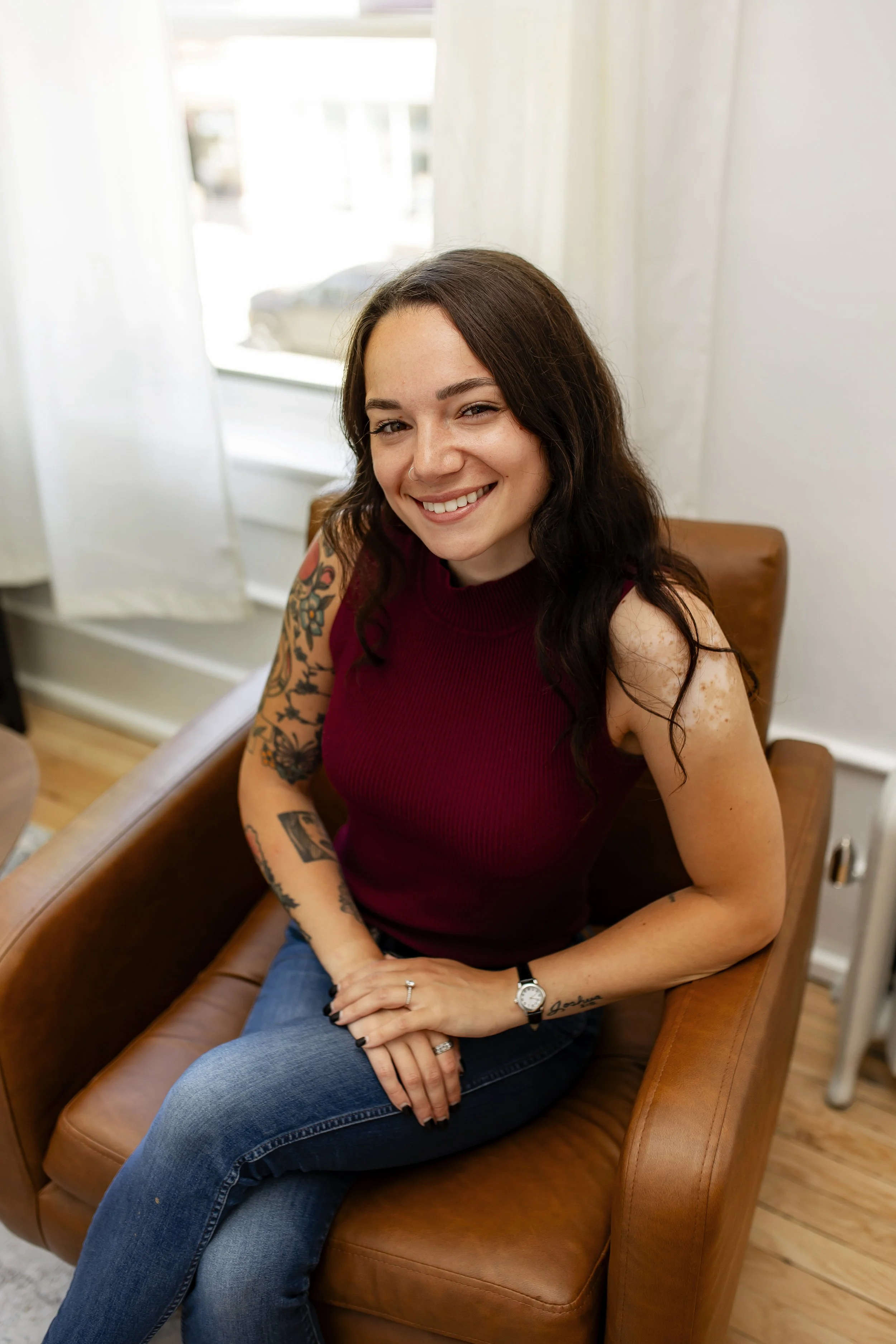
At Inspired Healing Therapy, we know that finding the right therapist isn't just about credentials or specialties. It's also about finding someone whose personality, perspective, and approach feel like a good fit.
This month, we're introducing you to Dalia Fragoso, LLMSW, one of the mental health therapists on the Inspired Healing Therapy team.
Dalia joined Inspired Healing Therapy in November 2023 and brings a warm, direct, and accepting presence to her work with clients. Her approach centers on creating a space where clients can show up as their full selves — including the messy, overwhelming, complicated, or “out there” thoughts that can sometimes feel difficult to say out loud.
What Drew Dalia to Therapy?
Dalia has always been interested in and passionate about mental health, but one professor in particular helped turn that interest into a career path.
While attending Washtenaw Community College, Dalia had a professor who inspired her to explore what it could look like to become a therapist.
That early encouragement eventually led her into the field and into work that allows her to support people through some of the most complicated parts of being human.
Who Does Dalia Work With?
Dalia particularly enjoys working with young adult women and members of the LGBTQ+ community.
Her work primarily incorporates Cognitive Behavioral Therapy (CBT) and Dialectical Behavior Therapy (DBT), with a focus on understanding clients through a neurodivergent-affirming lens.
Rather than approaching therapy as a one-size-fits-all process, Dalia brings curiosity and flexibility to understanding how each person's brain, experiences, emotions, and environment shape the way they move through the world.
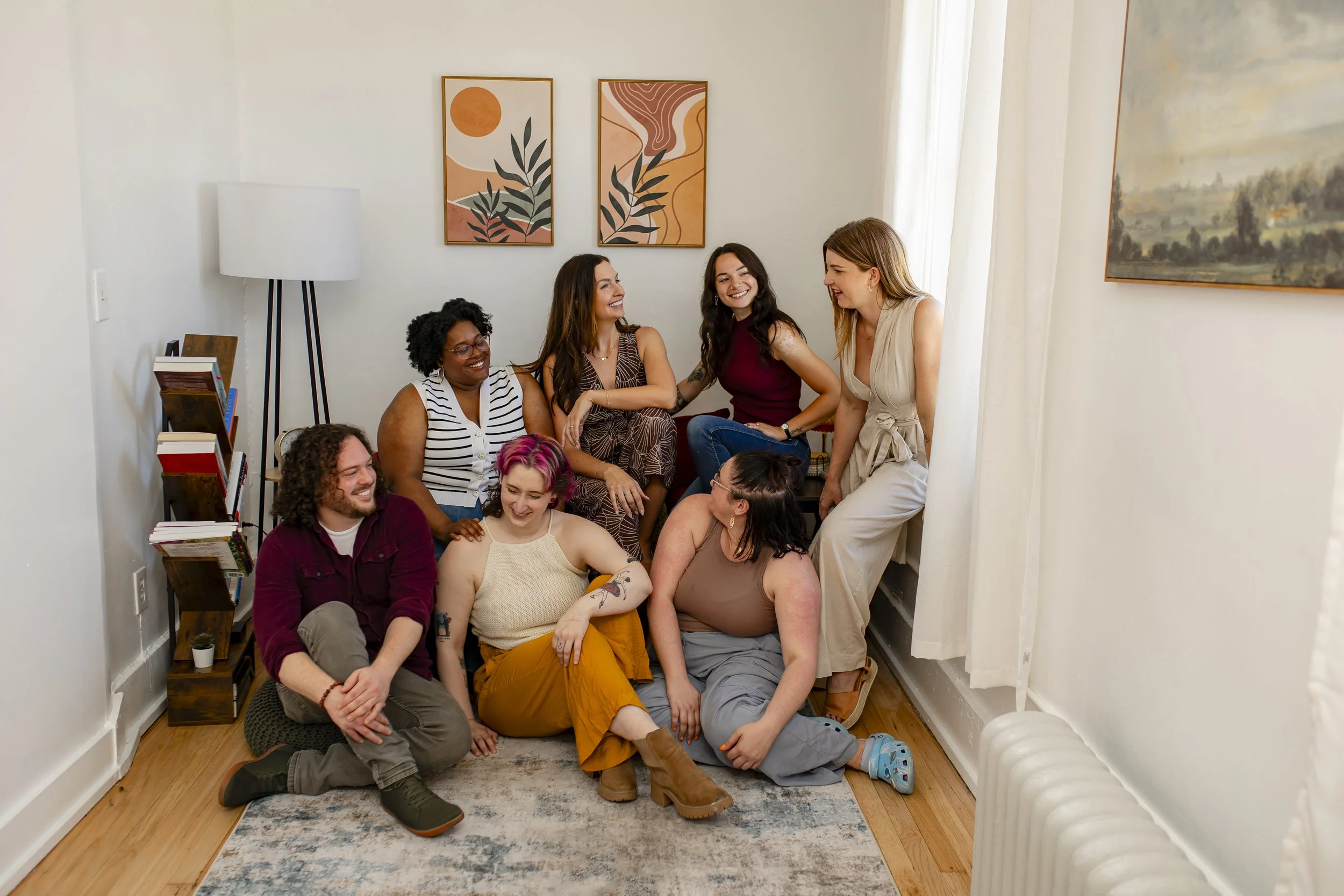
A Space for the Thoughts That Feel Chaotic
One thing clients have shared with Dalia is that she provides a safe space to voice thoughts that can feel chaotic or overwhelming.
And that's something she intentionally creates space for.
No matter how messy or “out there” a thought might seem, it is welcome in the room.
For Dalia, creating a safe therapeutic environment means making sure clients feel supported and validated — and comfortable enough to actually open up.
That doesn't mean every session has to be serious or perfectly put together.
In fact, Dalia's approach is anything but cold or overly clinical.
Direct. Warm. Accepting.
If Dalia had to describe her therapy style in three words, they would be:
Direct. Warm. Accepting.
She brings her authentic self into sessions and encourages her clients to do the same.
“I’m not a ‘cold’ or ‘clinical’ therapist,” she says.
Instead, Dalia brings real personality into her work. She believes therapy can be a space where clients don't have to perform, have the perfect words, or present a polished version of themselves.
You can just be a person.
And sometimes, that means saying the thing that feels weird, asking the question you aren't sure you're “supposed” to ask, or admitting that you have no idea what's going on.
There Are No “Silly” Questions
One of the values that guides Dalia's work is simple:
There are no silly or stupid questions or thoughts.
That belief can be especially meaningful for people who have spent a lot of time second-guessing themselves.
Therapy doesn't require you to already understand what you're feeling or know exactly what you need.
You can bring the question.
You can bring the confusing thought.
You can bring the thing you've been afraid sounds ridiculous.
And you can start there.
What About Homework?
Dalia is honest about one thing new clients might want to know before booking:
Sometimes, she might assign homework or worksheets.
But there's an important caveat:
It's okay if you don't want to do them.
Therapy is a collaborative process, and a worksheet isn't going to make or break your progress.
The goal is to find tools and strategies that actually work for you — not to create another assignment you dread completing.
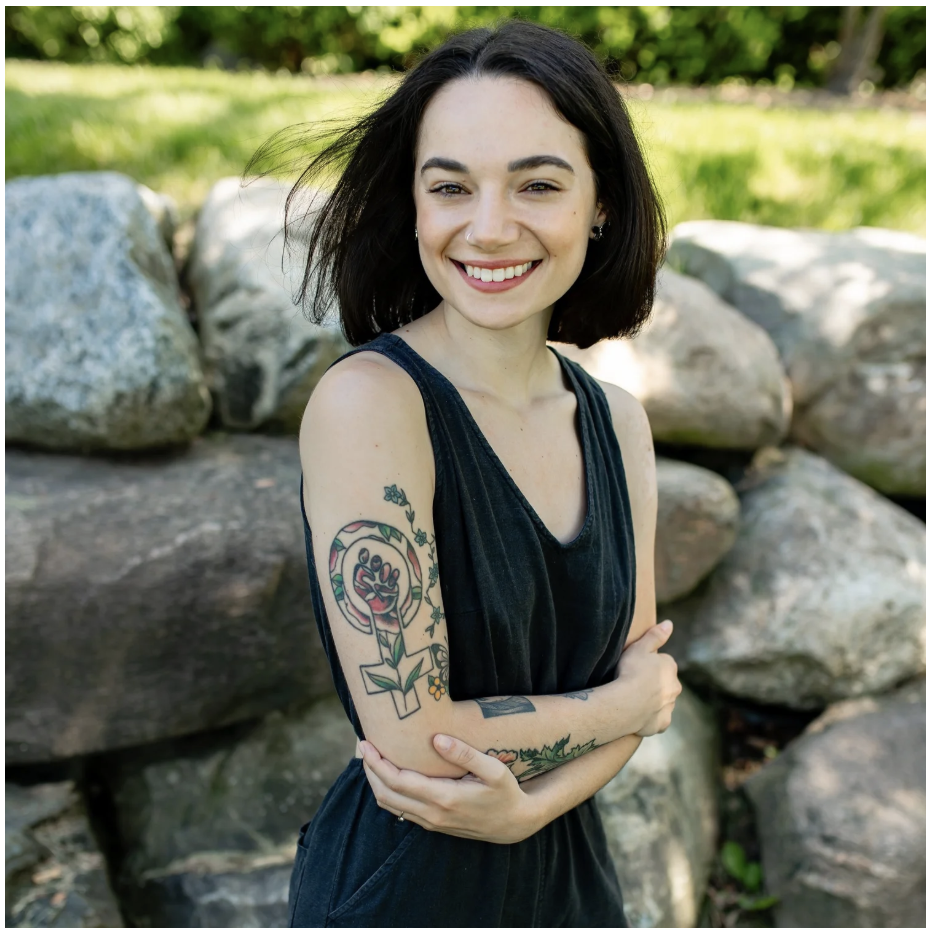
The Most Meaningful Part of the Work
For Dalia, one of the most meaningful parts of being a therapist is getting to witness growth over time.
Therapy isn't always about dramatic transformations.
Sometimes change happens gradually.
A client notices something they didn't notice before.
They respond differently to a familiar situation.
They understand themselves a little better.
They start making choices from a different place.
Being able to witness those changes and see where clients are over time is one of the things Dalia values most about the work.

A Message for Anyone Nervous About Starting Therapy
Starting therapy can feel vulnerable.
You're being asked to talk about parts of yourself, your experiences, your relationships, or your thoughts that you may not typically share with other people.
Dalia wants prospective clients to know that it's okay to be nervous.
“It’s so difficult to be vulnerable and access these other parts of your mind. Don’t be afraid of the journey, it’s worth it!”
You don't have to walk into your first session knowing exactly what to say.
You don't have to have everything figured out.
You just have to be willing to start somewhere.
And Now for the Important Questions…
What does Dalia do to unwind after a day of sessions?
She heads outside to hang out in her garden.
With her ducks.
Yes — Dalia has pet ducks. 🦆
When she's not working with clients, she also enjoys watching Adults on Hulu.
But we're still mostly stuck on the ducks.
Interested in Working With Dalia?
If you're looking for a therapist who will meet you with warmth, authenticity, and acceptance, reach out to Inspired Healing Therapy to learn more about Dalia's current availability and whether her approach might be a good fit for you.