
For many people, therapy begins with conversation. Traditional talk therapy can be a powerful way to process emotions, explore experiences, and build insight. But healing doesn’t always happen through words alone.
This is where creative arts therapies come in.
Creative arts therapies, including art therapy, music therapy, dance/movement therapy, and other expressive therapies, offer additional ways for people to explore emotions, regulate their nervous system, and process experiences that may be difficult to articulate verbally.
At Inspired Healing Therapy, we often see how combining creative therapies with traditional psychotherapy can deepen the healing process in meaningful ways.
SO What Are Creative Arts Therapies?
Creative arts therapies are evidence-based mental health approaches that use creative processes such as artmaking, music, movement, and storytelling within a therapeutic relationship.
These approaches are facilitated by trained, credentialed therapists who integrate creativity with psychological theory, trauma-informed care, and clinical practice.
Creative arts therapies can include:
Art therapy
Music therapy
Dance/movement therapy
Drama therapy
Expressive arts therapy
These therapies are especially helpful when emotions feel complex, overwhelming, or difficult to express through words alone.
You can learn more about our approach to creative therapies on our website and through past Inspired Blog posts like The Healing Power of Creativity | Music & Art Therapy for Trauma Recovery.

Why Words Aren’t Always Enough
Our brains and bodies store experiences in more ways than language.
When we go through stress, trauma, or significant life transitions, parts of those experiences can live in sensations, images, memories, and emotions rather than clear narratives.
Creative arts therapies engage nonverbal pathways in the brain, helping people access and process emotions in ways that traditional talk therapy alone may not reach.
Research like this article published in the Consciousness Research and Mindfulness journal shows that creative expression can support emotional processing, memory integration, and nervous system regulation.
5 Benefits of Creative Arts Therapies
1. Accessing Emotions Beyond Words
Sometimes people say, “I don’t know how to explain what I’m feeling.”
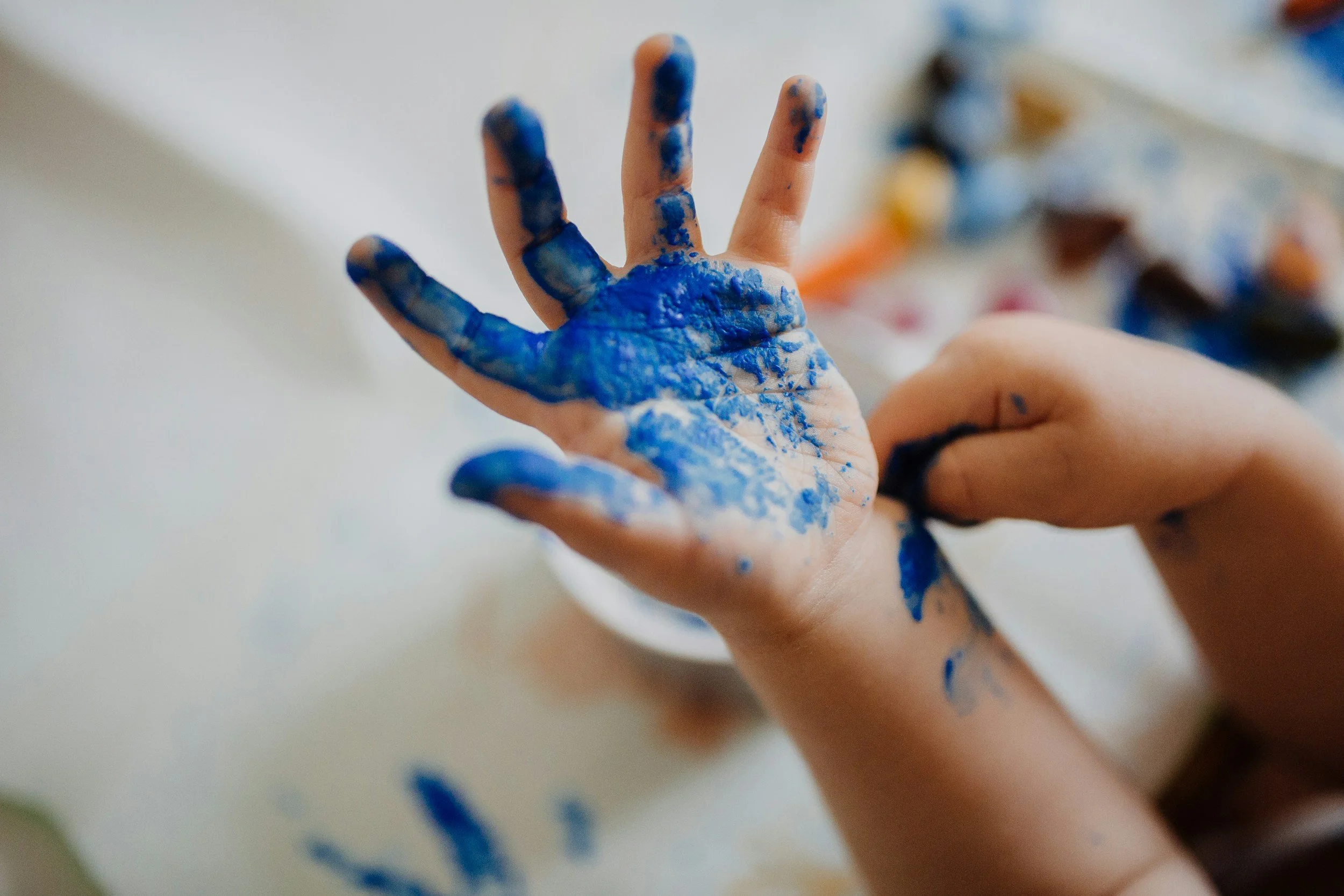
Creative expression can help externalize emotions through:
drawing
painting
music
rhythm
movement
symbolic imagery
This can make internal experiences visible, tangible, and easier to explore within therapy.
The American Art Therapy Association describes art therapy as a way to help individuals express feelings that may otherwise be difficult to verbalize.
2. Supporting Nervous System Regulation
Creative arts therapies often involve rhythm, repetition, sensory engagement, and movement.
These elements can help regulate the nervous system by:
slowing breathing
reducing stress responses
promoting emotional grounding
increasing feelings of safety and connection
Music therapy, for example, uses rhythm and sound to support emotional regulation and nervous system balance.
3. Helping Process Trauma Safely
Trauma can live in the body and sensory memory systems.
Creative therapies allow people to approach difficult experiences indirectly, using metaphor, imagery, and creative exploration rather than immediate verbal retelling.
This can create a gentler pathway for processing trauma while maintaining emotional safety.
If you’re interested in learning more about trauma-informed care, you can read our post: Understanding Trauma-Informed Therapy
4. Encouraging Self-Discovery and Insight
Creative expression often reveals patterns, themes, and emotions that might otherwise remain hidden.
Through guided reflection, clients may discover:
new perspectives on their experiences
deeper emotional awareness
strengths and resilience
new ways of understanding themselves
Creative therapies often help people reconnect with curiosity, playfulness, and creativity, which are powerful resources for healing.
5. Strengthening the Therapeutic Relationship
Creative activities can foster collaboration and connection between therapist and client.
When a therapist and client explore creative expression together, it can:
reduce pressure to “say the right thing”
create moments of shared discovery
support co-regulation and emotional safety
At Inspired Healing Therapy, we believe healing happens through relationship, curiosity, and compassion.
You can also explore how our therapists integrate creative approaches in therapy at Meet Our Therapists and on our Instagram @inspired_healing_therapy
Who Can Benefit from Creative Arts Therapies?
Creative therapies can support people of all ages, including:
children and teens
adults navigating stress or anxiety
trauma survivors
individuals processing grief
neurodivergent individuals
people who feel stuck in traditional talk therapy
Importantly, no artistic experience is required. Creative arts therapies are not about artistic skill — they’re about expression, exploration, and connection.
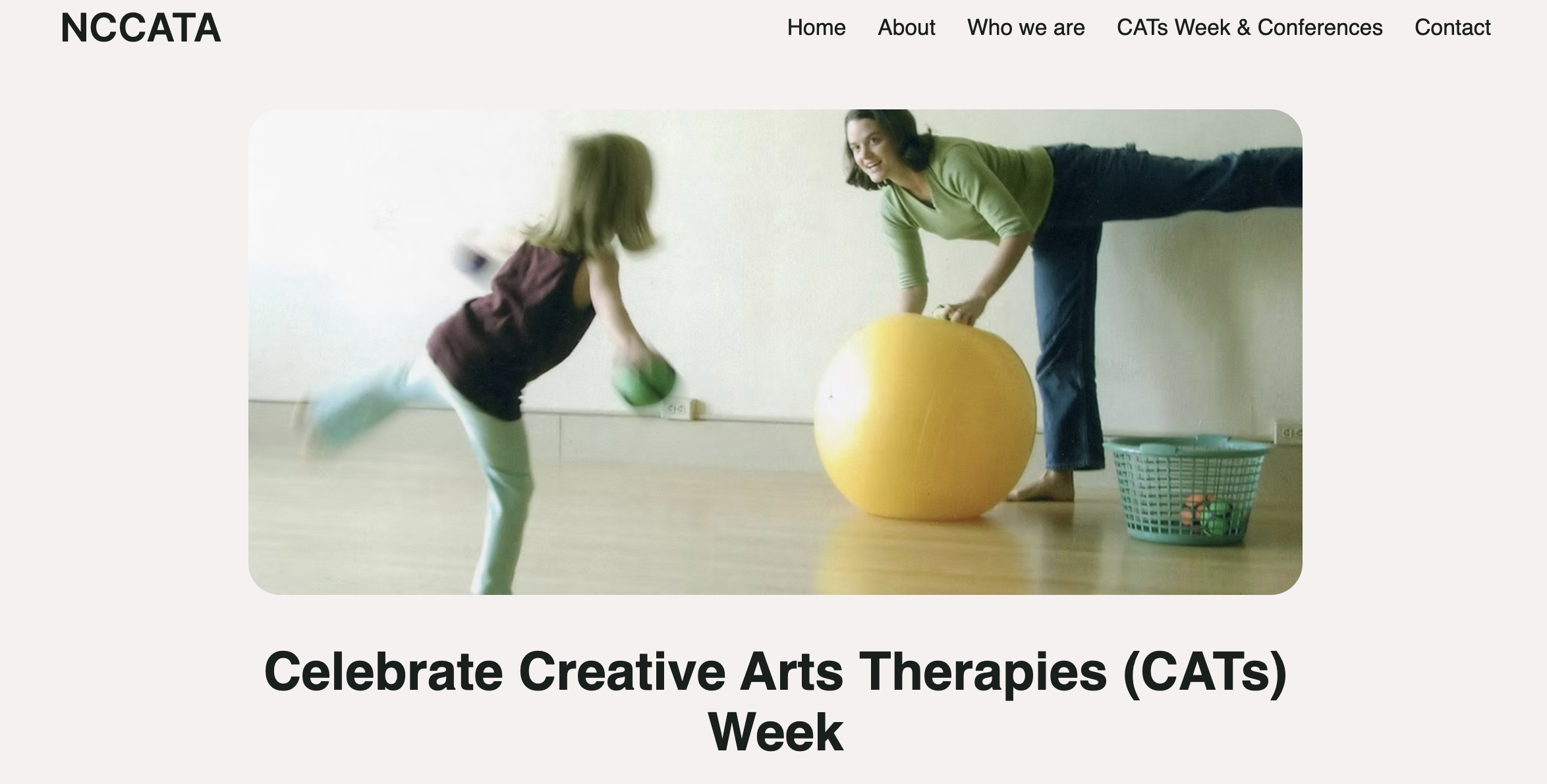
Celebrating Creative Arts Therapies Week (March 15–21, 2026)
Each year, Creative Arts Therapies Week highlights the important role that creative expression can play in mental health care and emotional healing. Creative Arts Therapies Week takes place March 15–21, 2026 this year!
This week recognizes the work of trained professionals in art therapy, music therapy, dance/movement therapy, drama therapy, and expressive arts therapy, and raises awareness about how these approaches support people in navigating stress, trauma, grief, identity exploration, and life transitions.
Creative arts therapies remind us that healing can happen in many forms — not just through conversation, but through music, movement, imagery, rhythm, and creative exploration.
At Inspired Healing Therapy, we’re grateful to have clinicians who integrate creative approaches into their work with clients. These therapies can provide meaningful pathways for expression, regulation, and self-discovery.
You can explore more about Creative Arts Therapies Week through the National Coalition of Creative Arts Therapies Associations.
If you’re curious about art therapy, music therapy, or other creative therapies, our team at Inspired Healing Therapy would be honored to support you.
Learn more about our services or schedule a consultation today.
