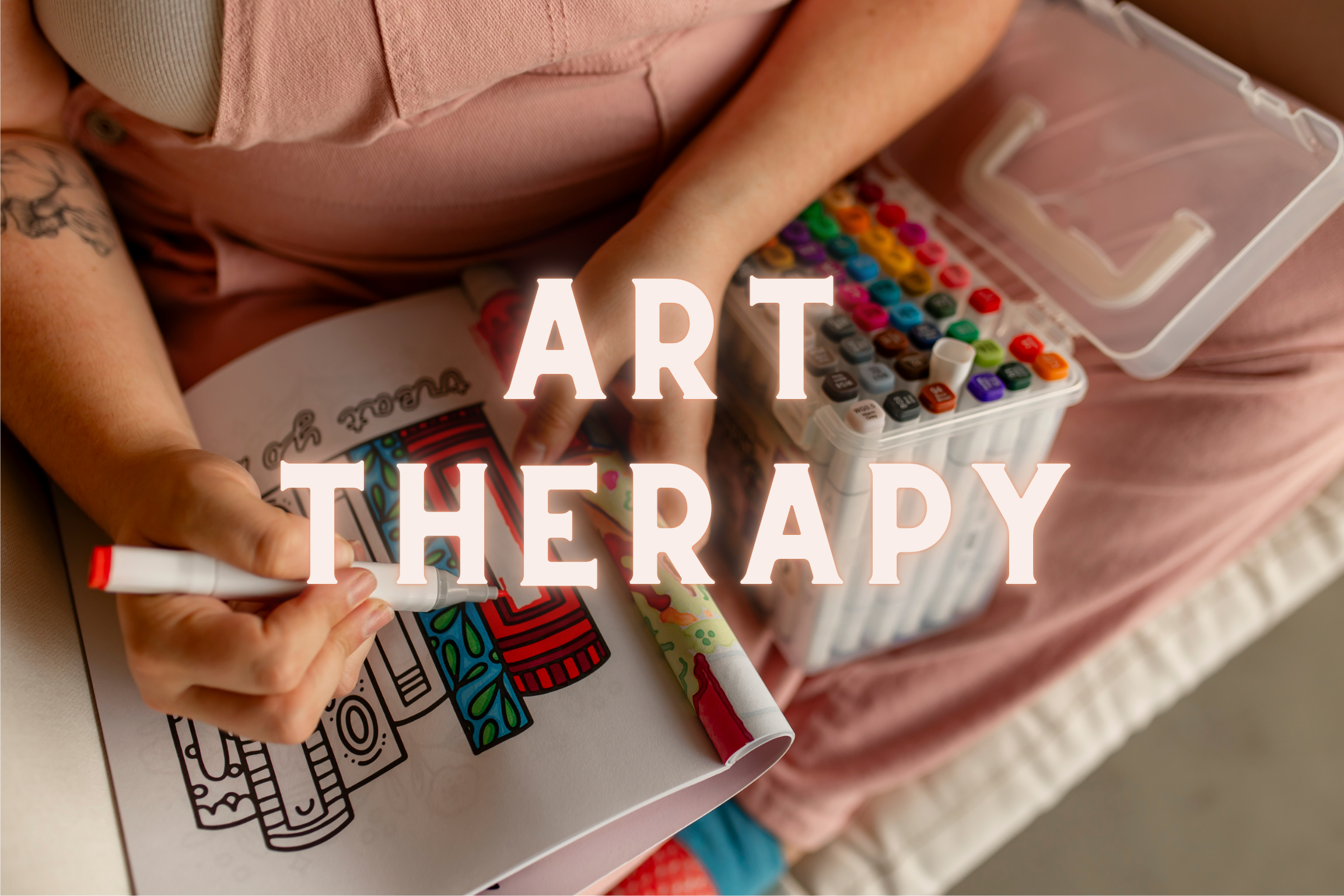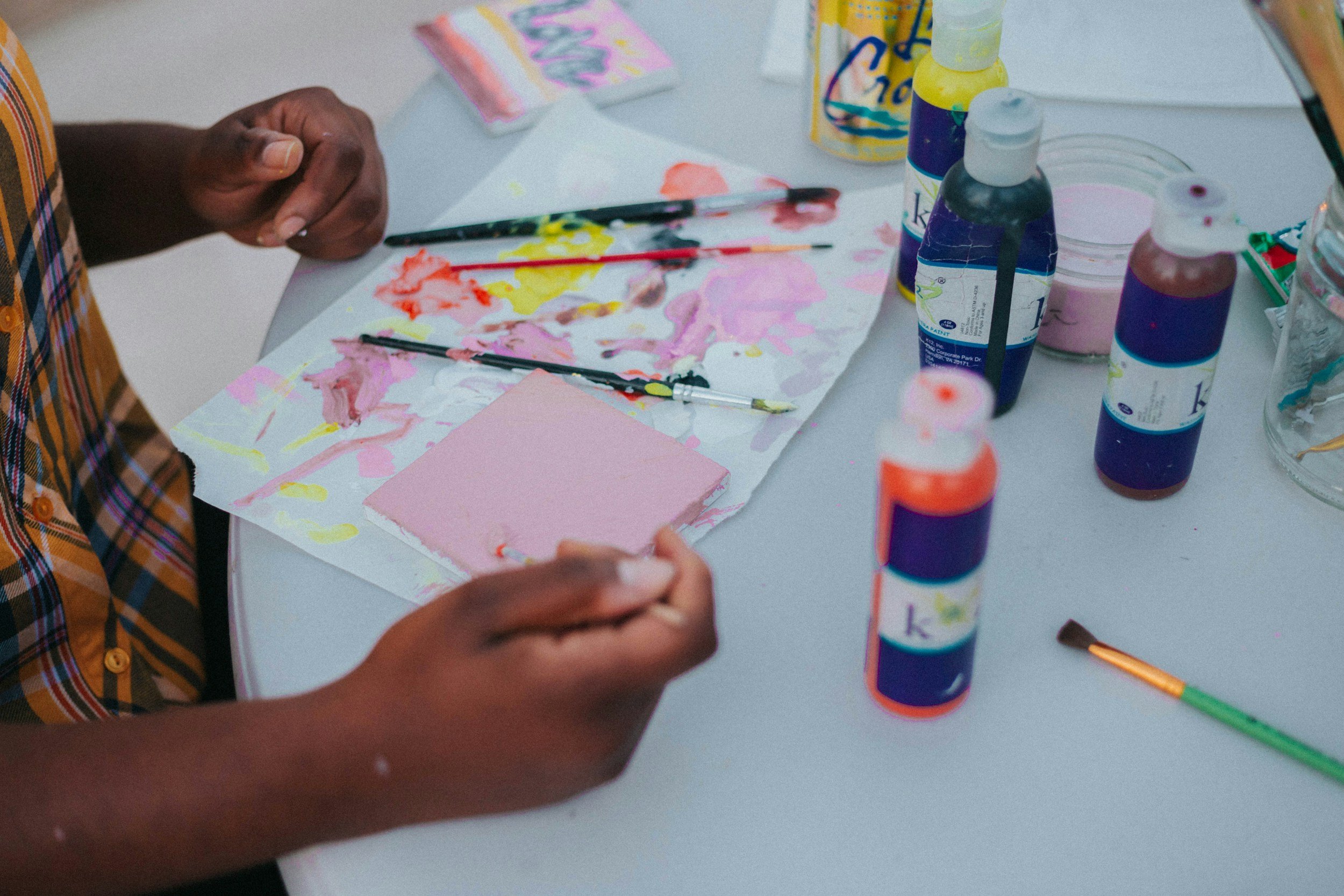
Sometimes a child can draw what they cannot say.
As adults, we often rely on words to explain how we're feeling. We can tell someone we're anxious, frustrated, excited, or overwhelmed. Children, however, are still developing those emotional and language skills. Even when they know something feels "wrong," they may not have the vocabulary—or the confidence—to put those feelings into words.
Instead, children often communicate through play, behavior, imagination, and creativity.
That's where art therapy can become a powerful tool.
At Inspired Healing Therapy, art therapy offers children a safe, supportive space to explore emotions, build coping skills, and make sense of their experiences through the creative process. The focus isn't on creating beautiful artwork—it's about helping children express themselves in ways that feel natural, meaningful, and developmentally appropriate.
What Is Art Therapy?
According to the American Art Therapy Association, art therapy is a mental health profession that enriches the lives of individuals, families, and communities through active art-making, creative process, applied psychological theory, and human experience within a psychotherapeutic relationship. Guided by a trained art therapist, children use a variety of art materials to explore thoughts, feelings, relationships, and life experiences.
Sessions may include:
Drawing
Painting
Clay and sculpting
Collage
Mixed media
Storytelling through artwork
Creative journaling
Mindfulness-based art activities
No artistic talent is required. In fact, there is no "right" or "wrong" way to create in an art therapy session.
The artwork simply becomes another way to communicate.
Why Creativity Helps Children Process Emotions
Think about how often children naturally reach for crayons, markers, or paint when they're given free time.
Art gives children the freedom to express ideas that might feel too confusing, overwhelming, or vulnerable to explain out loud. Creating something with their hands can also slow the body down, increase focus, and help regulate emotions.
Through the creative process, children can:
Explore difficult emotions in a safe way
Build emotional awareness and vocabulary
Increase confidence and self-esteem
Develop healthy coping strategies
Strengthen problem-solving skills
Practice flexibility and resilience
Experience a sense of mastery and accomplishment
Sometimes the picture itself tells only part of the story. The colors a child chooses, the way they approach a project, and the conversations that happen while creating often provide meaningful opportunities for reflection and growth.
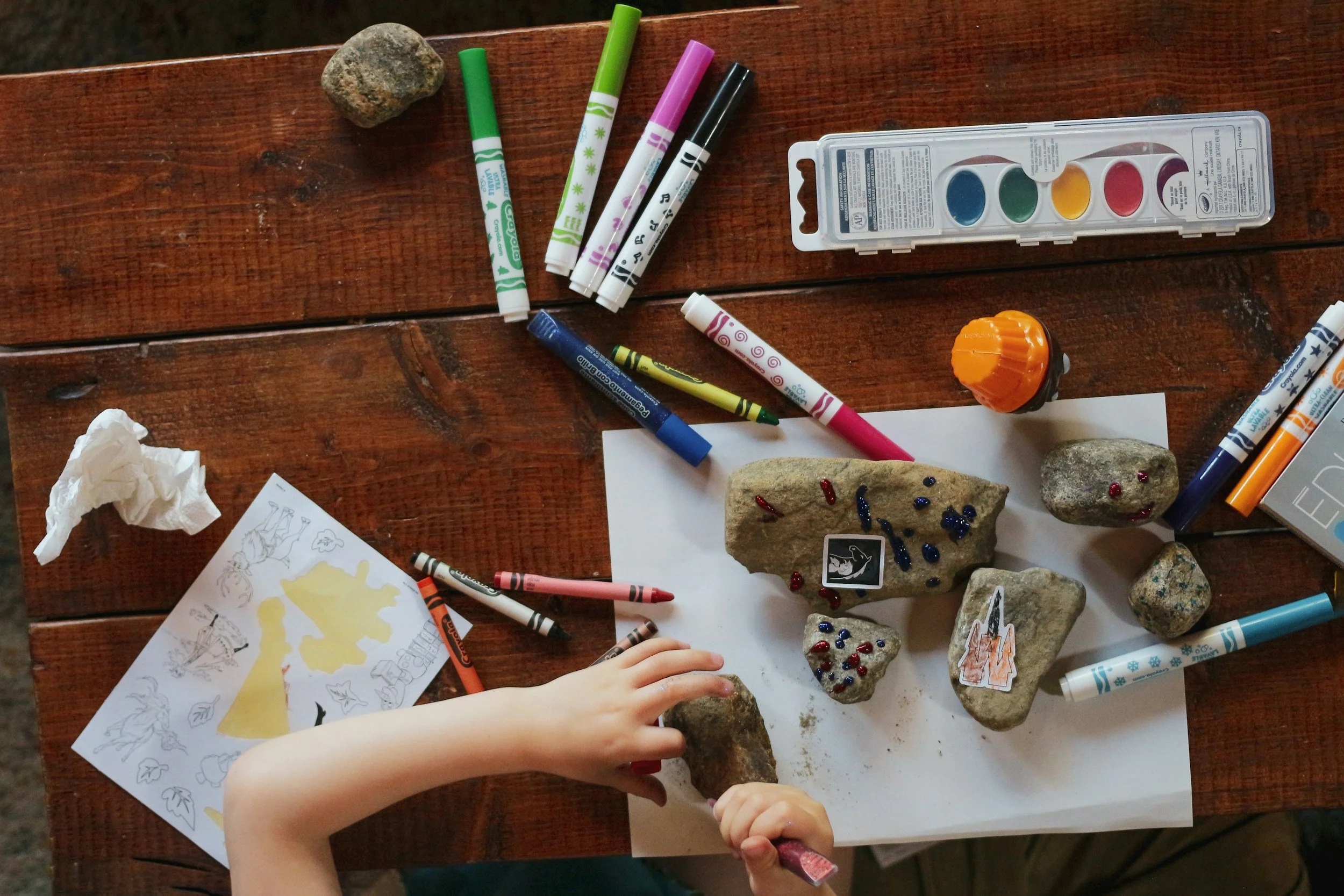
Who Can Benefit from Art Therapy?
Art Therapy can support children experiencing:
Anxiety
Depression
Grief and loss
Trauma
ADHD
Autism spectrum disorders
Emotional regulation challenges
Family transitions, such as divorce or relocation
Low self-esteem
Social or behavioral difficulties
It can also be a wonderful fit for children who enjoy creating, prefer hands-on activities, or simply find it easier to express themselves visually than verbally.
What Happens During an Art Therapy Session?
One of the biggest misconceptions about Art Therapy is that children are asked to create artwork that the therapist then "interprets."
In reality, art therapy is a collaborative process.
The therapist may invite a child to:
Draw what different emotions look like
Create a "safe place" using art materials
Build a collage that represents personal strengths
Sculpt worries or fears out of clay
Illustrate coping tools they can use at home or school
Use colors and shapes to explore different experiences
The therapist gently guides the process, helping the child notice patterns, identify emotions, and develop new ways of understanding themselves.
Rather than assigning meaning to the artwork, the therapist remains curious about what the creation means to the child.
The Benefits Go Beyond the Artwork
One of the beautiful things about Art Therapy is that healing often happens during the process of creating—not because of the finished product.
As children make choices, solve creative challenges, and experiment with new ideas, they're also practicing important life skills like flexibility, frustration tolerance, emotional regulation, and self-confidence.
The art becomes a bridge between thoughts, feelings, and conversations that might otherwise feel difficult to access.
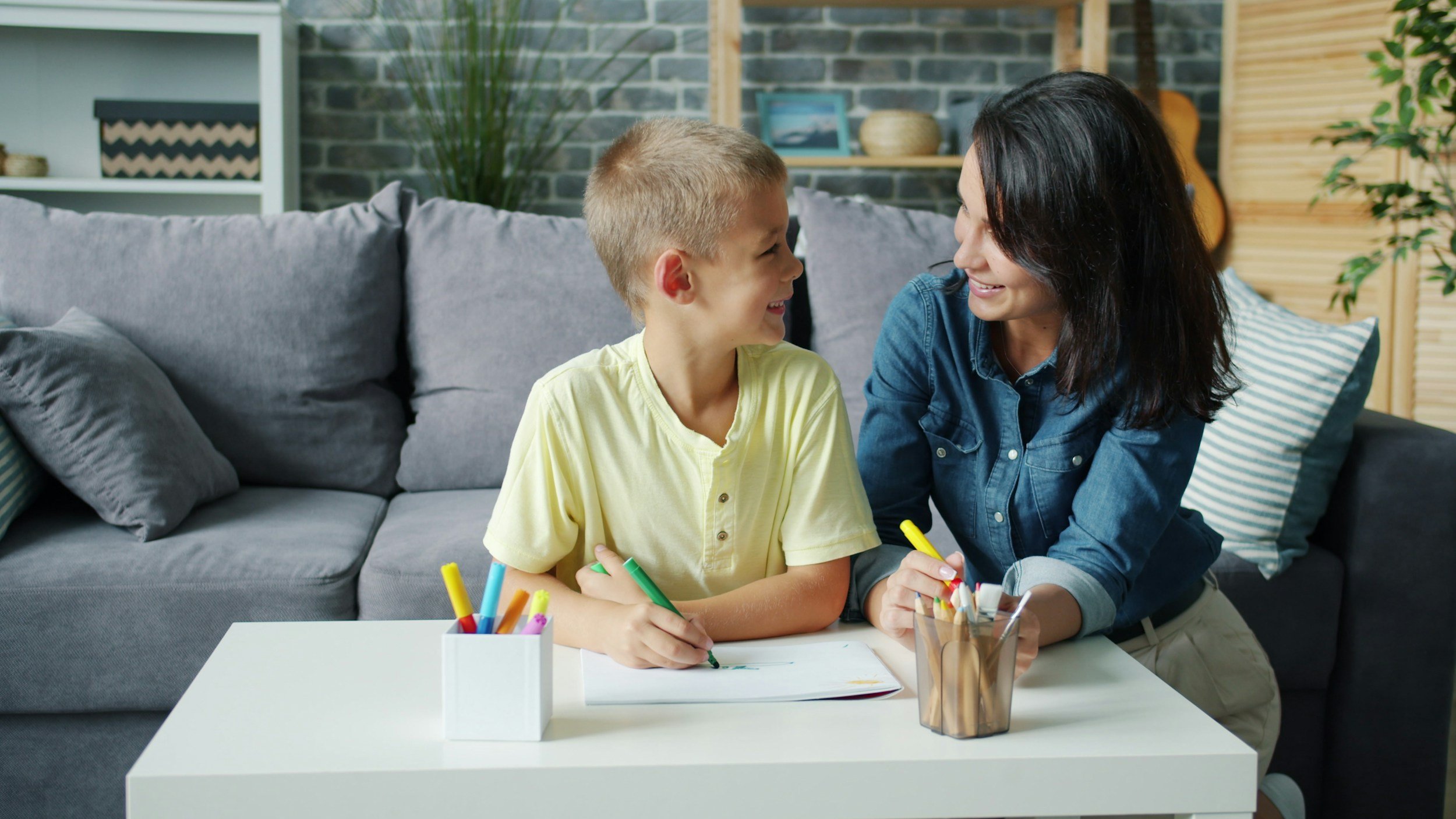
Simple Ways to Encourage Creativity at Home
You don't need elaborate supplies or Pinterest-worthy projects to nurture creative expression.
Try:
Keeping a basket of basic art materials within easy reach
Inviting your child to draw how their day felt instead of asking, "How was school?"
Creating together without worrying about the final product
Making gratitude or feelings collages from old magazines
Painting while listening to calming music
Displaying artwork to celebrate effort rather than perfection
The goal isn't to make masterpieces—it's to make space for expression.
Creativity Is a Language All Its Own
Every child deserves to be heard, even when words don't come easily.
Art Therapy honors children's natural creativity while helping them develop emotional awareness, resilience, and confidence. Through drawing, painting, sculpting, and creating, children can safely explore their inner world and discover new ways of understanding themselves.
At Inspired Healing Therapy, we believe healing doesn't always begin with a conversation. Sometimes, it begins with a blank piece of paper, a handful of crayons, and a safe place to create.
If you're curious whether art therapy might be a good fit for your child, our team would be honored to help you learn more about this creative and compassionate approach to mental health care.