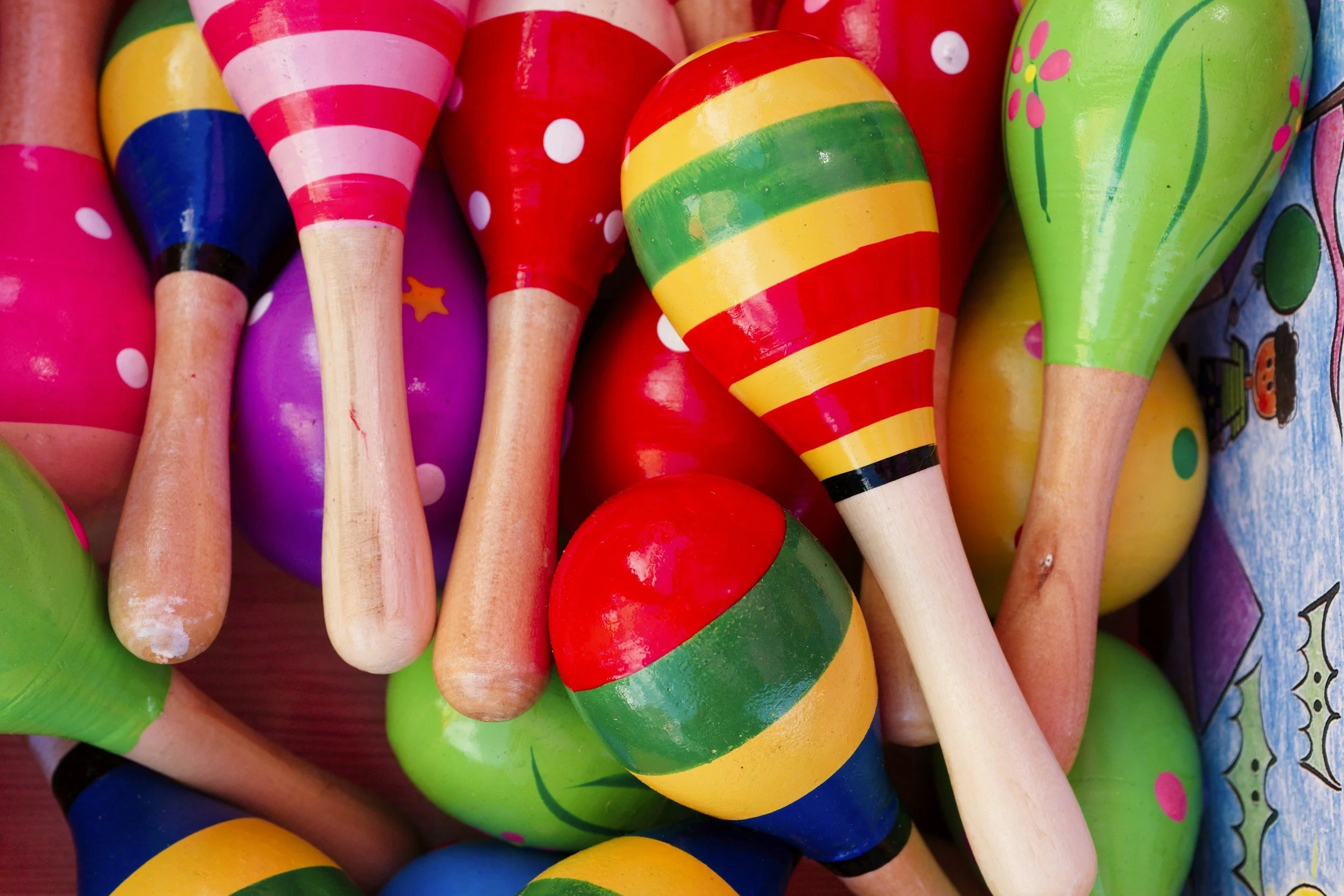
Sometimes healing begins with a song, a steady beat, or a familiar melody.
Have you ever noticed how quickly a favorite song can change your child's mood? A lullaby can soothe a fussy baby. A silly song can turn tears into giggles. A steady rhythm can help children clap, march, and move together without anyone saying a word.
Music has a remarkable way of connecting us—to ourselves, to others, and to our emotions.
For children, whose communication skills are still developing, music can become another language entirely.
At Inspired Healing Therapy, Music Therapy uses music intentionally and therapeutically to help children build emotional regulation, strengthen communication, develop social skills, and express themselves in ways that feel engaging, safe, and joyful.
What Is Music Therapy?
Music therapy is an evidence-based mental health profession in which a board-certified music therapist uses music experiences to help individuals work toward personalized therapeutic goals.
Unlike music lessons, music therapy isn't about learning to play an instrument perfectly or performing for others.
Instead, music becomes a tool for healing, connection, and growth.
Sessions may include:
Singing
Playing instruments
Listening to music
Songwriting
Musical games
Rhythm activities
Movement paired with music
Guided relaxation with music
Improvisation and creative expression
Every activity is carefully chosen to support each child's unique strengths, challenges, and goals.
Why Music Matters
Long before children can explain their emotions, they respond to rhythm.
Think about how naturally children sway to music, clap along with a beat, or hum a familiar tune. Music engages multiple parts of the brain at once, making it a powerful way to support emotional regulation, attention, communication, and social connection.
Music therapy can help children:
Regulate big emotions
Build confidence
Improve attention and focus
Strengthen communication skills
Increase social engagement
Develop coping strategies
Practice flexibility and problem-solving
Experience success through creative play
For many children, music creates a sense of predictability and safety that helps them feel comfortable exploring new experiences.
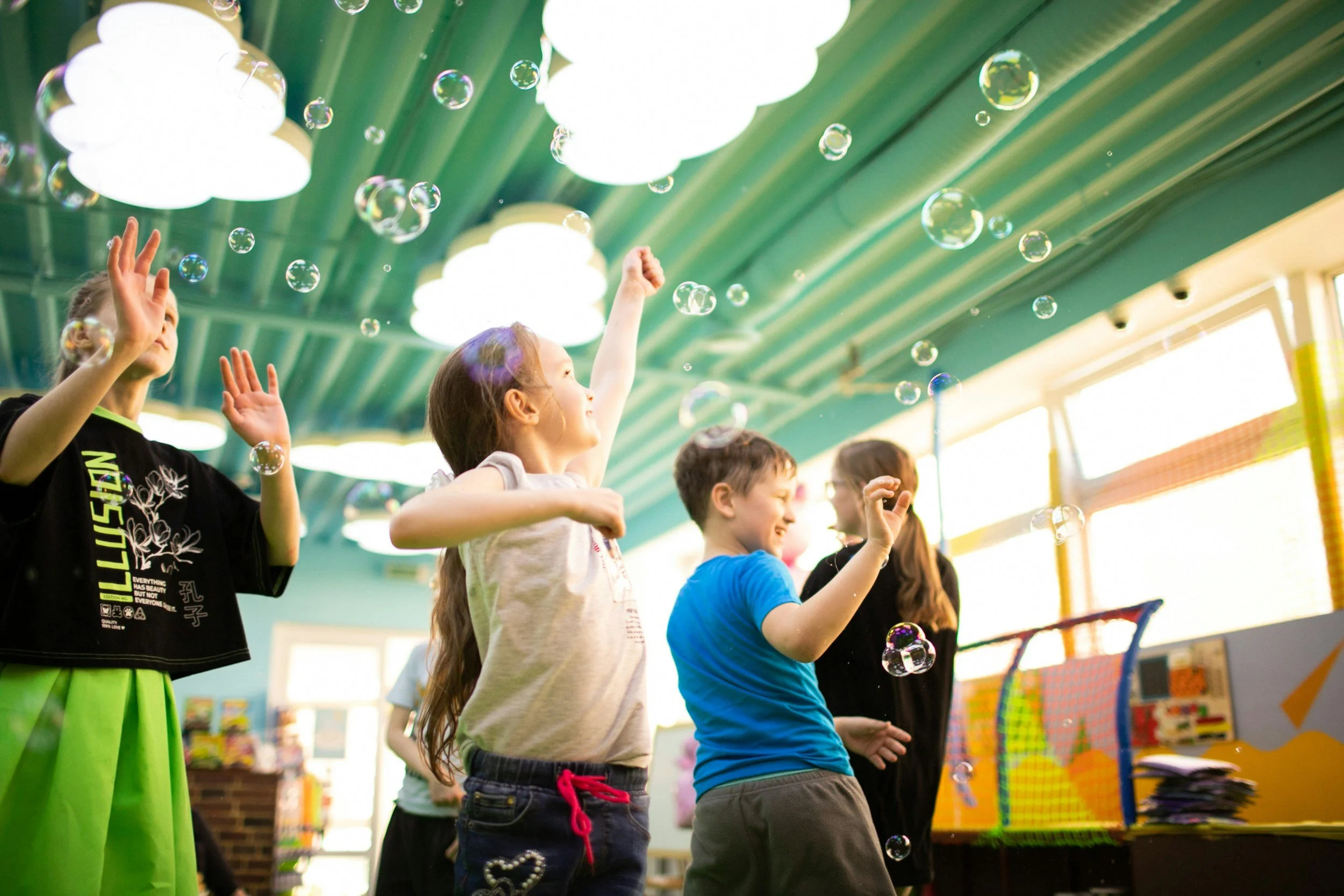
Who Can Benefit from Music Therapy?
Music therapy can support children experiencing:
Anxiety
ADHD
Autism spectrum disorders
Depression
Emotional regulation challenges
Trauma
Grief and loss
Developmental delays
Social communication difficulties
Low self-esteem
It can also support children who simply connect deeply through music and benefit from learning in creative, multisensory ways.
What Happens During a Music Therapy Session?
Every session looks a little different because every child is different.
One child might write lyrics about a difficult experience. Another might practice taking turns while playing instruments with the therapist. A younger child may sing songs that build emotional vocabulary or practice identifying feelings through musical games.
A session might include:
Singing songs that explore emotions
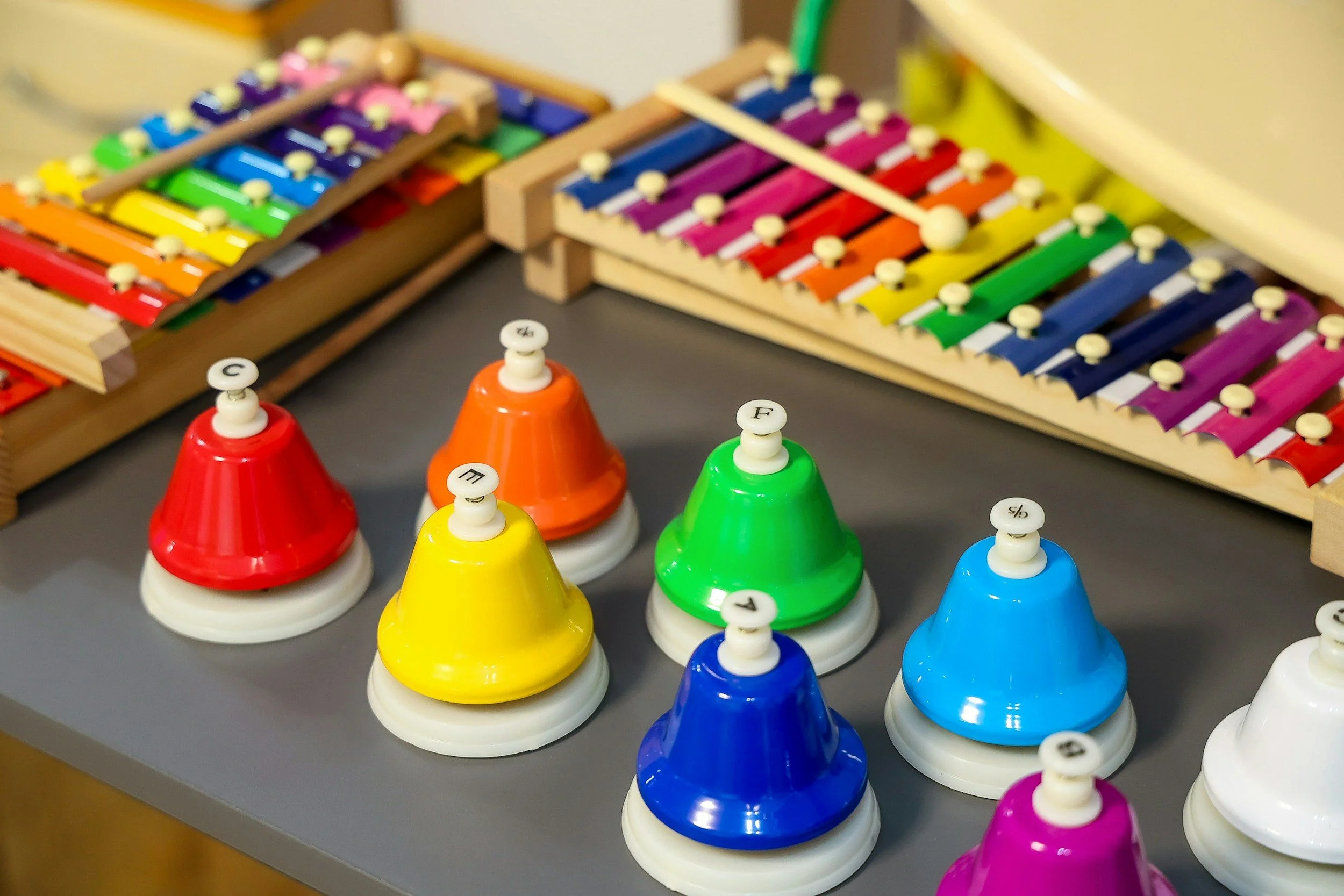
Playing percussion instruments together
Writing simple songs about daily experiences
Using rhythm to practice calming strategies
Creating musical stories through imagination
Exploring different instruments to encourage curiosity and confidence
Listening to music while practicing relaxation or mindfulness
The goal isn't to become a musician. It's to help children discover healthy ways to express themselves, connect with others, and navigate life's challenges.
The Science Behind the Music
Music activates many areas of the brain at the same time, including those involved in emotion, memory, attention, movement, and communication.
Because rhythm is naturally organizing for the nervous system, music can help children feel more regulated, engaged, and present. It also creates opportunities to practice listening, taking turns, expressing feelings, and building relationships in ways that often feel playful rather than overwhelming.
When these musical experiences happen within a trusting therapeutic relationship, children can safely develop new emotional, social, and communication skills that extend beyond the therapy room.
Bringing Music Into Everyday Life
You don't need to be musical to use music as a tool for connection at home.
Try:
Creating a "feelings playlist" together with songs that match different emotions.
Singing cleanup or bedtime songs to build predictable routines.
Having a family dance break after school to release stress.
Playing simple rhythm games by clapping or tapping together.
Listening to calming music during transitions or homework time.
Encouraging your child to make up silly songs about their day.
These moments aren't about performance—they're about connection.
Every Child Has Their Own Rhythm
Children don't all express themselves in the same way, and that's something worth celebrating.
Music Therapy honors each child's unique voice by meeting them where they are and using rhythm, melody, and creativity to support growth, confidence, and emotional well-being.
At Inspired Healing Therapy, we believe healing can happen in many forms. Sometimes it begins with a conversation. Sometimes it begins with movement or art. And sometimes, it begins with a simple song that reminds a child they are safe, supported, and never alone.
If you're wondering whether music therapy could be a good fit for your child, we'd be honored to help you learn more about this creative approach to mental health care.
