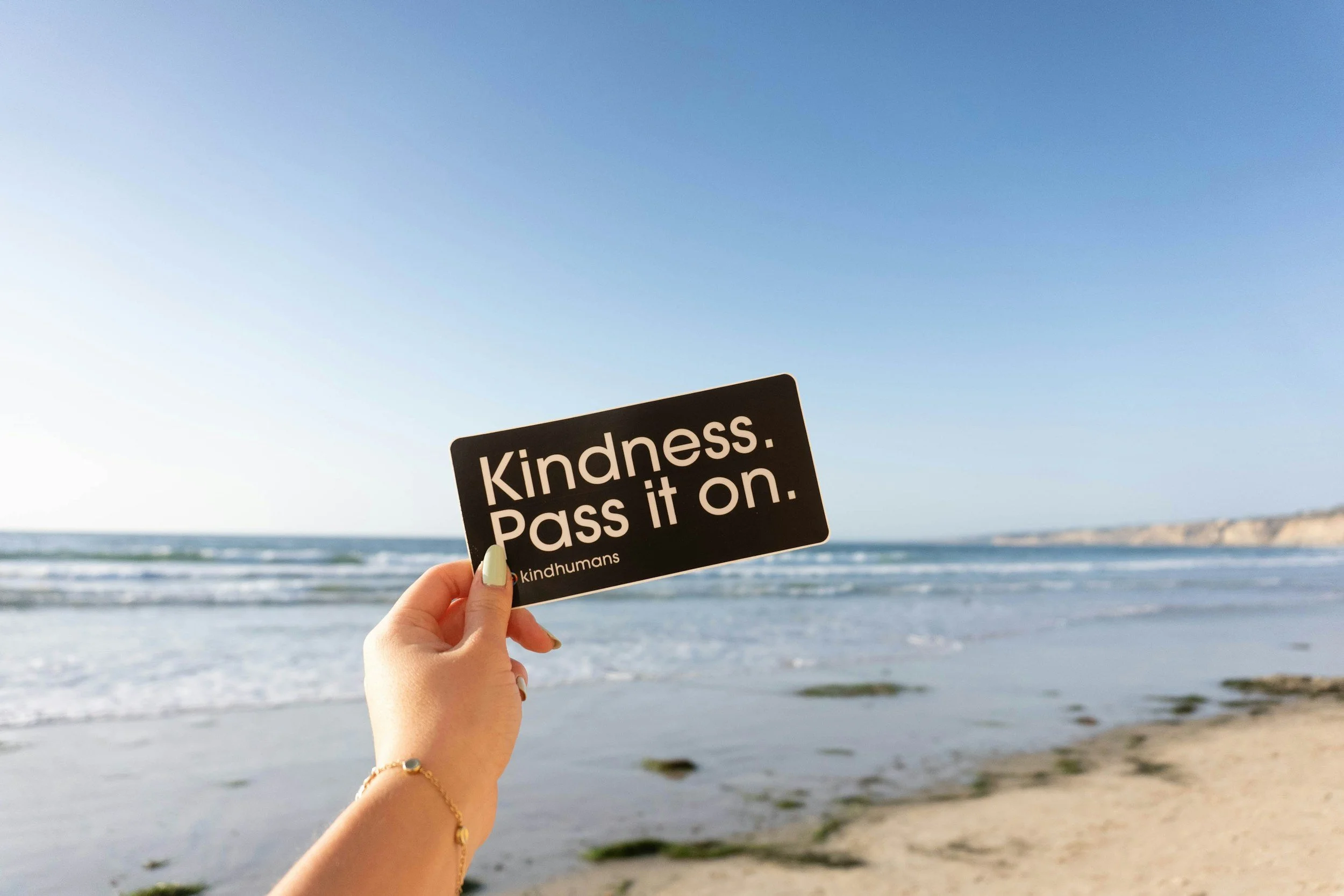
June is often filled with moments of connection—from celebrating Pride Month to recognizing the importance of community, belonging, and support. It is also home to Say Something Nice Day, a simple reminder that our words have the power to impact the people around us.
A kind word may seem small.
A thoughtful compliment.
A genuine thank you.
A moment of encouragement.
But research and lived experience both show us that small moments of connection can have a meaningful impact on mental health and relationships.
Sometimes, the words we offer someone become the words they carry with them long after the conversation ends.
The Psychology Behind Positive Feedback
Humans are wired for connection.
Feeling seen, valued, and appreciated is an important part of emotional well-being. When we receive genuine encouragement, it can strengthen our sense of belonging and reinforce positive beliefs about ourselves.
Positive feedback can help:
Build confidence
Strengthen relationships
Increase feelings of connection
Support motivation and resilience
Remind us that we matter to others
This doesn't mean we need constant praise or validation from others to feel good about ourselves. Instead, meaningful encouragement can serve as a reminder that we are seen and appreciated.
According to the American Psychological Association, supportive relationships and positive social connections play an important role in overall mental health and well-being.

Why Can Compliments Feel So Uncomfortable?
Have you ever received a compliment and immediately responded with:
"Oh, this old thing?"
"It wasn't a big deal."
"I could have done better."
You're not alone.
For many people, accepting kindness can feel surprisingly vulnerable.
Sometimes we minimize compliments because:
We don't want to seem arrogant
We aren't used to receiving positive feedback
We have a difficult inner critic
We struggle to believe positive things about ourselves
We were raised to focus more on improvement than appreciation
Learning to receive kindness is also a practice.
The next time someone offers you a genuine compliment, try simply saying:
"Thank you."
You don't have to explain it away. You don't have to immediately return the compliment. Allowing yourself to receive kindness is part of building self-compassion.
Kind Words Can Strengthen Relationships
Our relationships are shaped by thousands of small interactions.
A partner saying, "I appreciate everything you do."
A friend saying, "I'm really glad you're in my life."
A parent saying, "I'm proud of you."
A coworker saying, "I noticed how much effort you put into that."
These moments communicate something powerful:
You are seen. You matter. Your efforts are meaningful.
For those looking to strengthen communication and connection in their relationships, exploring tools through Couples Counseling or Family Therapy can provide additional support in creating healthier patterns of connection. You don’t need to ‘have a problem to fix’ to seek support.

Teaching Children Kindness and Self-Compassion
Children learn how to speak to themselves by listening to how we speak to them.
When children regularly experience encouragement, empathy, and kindness, they begin building an internal voice that is more compassionate and supportive.
Instead of only focusing on outcomes:
"You got an A!"
"You won!"
"You cleaned your room!"
Try also noticing qualities:
"You worked really hard on that."
"I noticed how patient you were."
"You kept trying even when it was difficult."
"You are someone who cares deeply about others."
These messages help children understand that their worth is not based only on achievement or perfection.
For parents looking for additional support navigating emotions, behavior, and family dynamics, Child and Family Therapy can provide a space to build connection and strengthen relationships. Therapists use techniques that are fun, engaging, and developmentally appropriate for each child.
Practical Ways to Offer Genuine Encouragement
Kindness doesn't have to be complicated.
Try:
Notice effort, not just results
Instead of:
"You're so talented."
Try:
"I noticed how much effort you put into that."
Be specific
Instead of:
"You're great."
Try:
"I appreciate how thoughtful you were when you checked in on me."
Compliment character
Notice qualities like:
Creativity
Compassion
Courage
Humor
Persistence
Generosity
Say the thing you are thinking
Often, we notice wonderful things about people but forget to say them.
If you think:
"They handled that situation really well."
"I love how patient they are."
"They make people feel welcome."
Say it.
Your words might matter more than you realize.

A Small Reminder: Kindness Includes Yourself
As you think about saying something nice to others, don't forget yourself.
Many people have a much harsher inner voice than they would ever use with someone they love.
Try asking:
Would I say this to a friend?
If the answer is no, consider offering yourself the same compassion you would offer someone else.
Self-compassion is not about ignoring areas where we want to grow. It is about recognizing that we deserve kindness while we are growing.
This Month's Challenge
Celebrate Say Something Nice Day all month long.
Choose one person each day and offer a genuine moment of encouragement.
Send the text.
Make the phone call.
Write the note.
Say the kind thing out loud.
You never know what someone may be carrying—and your words may be exactly what they needed to hear.
At Inspired Healing Therapy, we believe connection matters. Whether you're working through challenges in relationships, navigating life transitions, or simply wanting to better understand yourself, support is available.
Kindness is a small act.
But small acts can create meaningful change.
