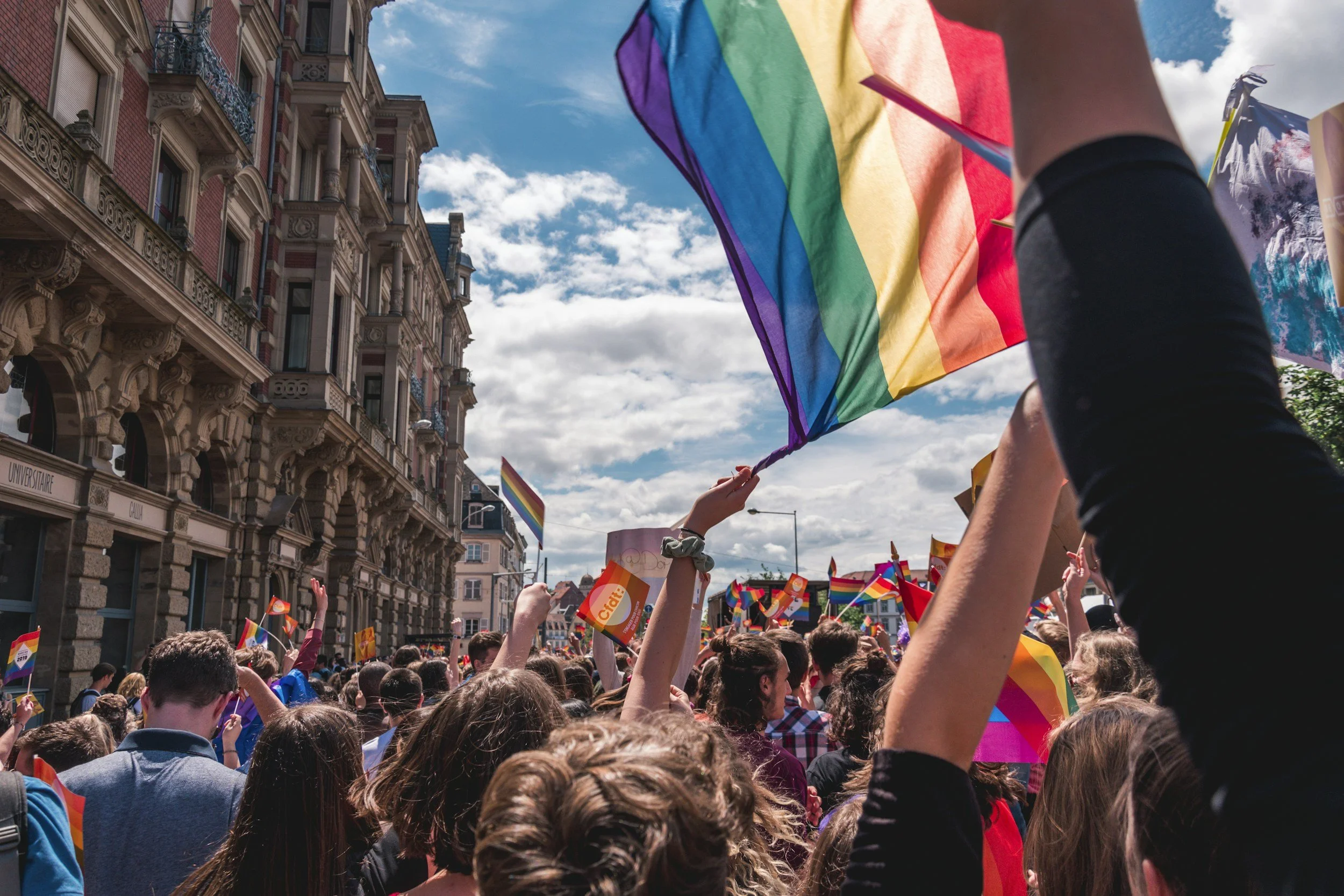
June is Pride Month! A time of celebration, visibility, community, and resilience. It is also an opportunity to recognize the unique mental health challenges many LGBTQ+ individuals continue to face.
While conversations about mental health have become more common in recent years, one truth remains: feeling unable to be fully yourself can take a significant toll on emotional well-being.
At its core, Pride is about more than parades and rainbow flags. It is about authenticity. It is about creating a world where people can show up as they are and know they belong.
The Mental Health Impact of Hiding Parts of Yourself
Humans are wired for connection. We thrive when we feel accepted, understood, and valued by those around us.
When someone feels pressure to hide an important part of their identity—whether due to fear of rejection, discrimination, family expectations, workplace culture, or concerns about safety—it can create ongoing emotional stress.
This experience can lead to:
Increased anxiety
Symptoms of depression
Feelings of isolation or loneliness
Lower self-esteem
Chronic stress and emotional exhaustion
Difficulty trusting others or forming close relationships
For many LGBTQ+ individuals, the challenge isn't their identity itself. The challenge is navigating environments where that identity may not feel fully accepted.

What Is Minority Stress?
Mental health professionals often use the term "minority stress" to describe the additional emotional burden that members of marginalized communities may experience.
Minority stress can come from:
Experiences of discrimination
Fear of rejection
Internalized stigma
Pressure to hide aspects of identity
Lack of social support
Exposure to negative messages about oneself or one's community
These stressors can accumulate over time and affect both mental and physical health.
Recognizing this reality is important because it helps shift the conversation away from "What's wrong with me?" and toward "What challenges have I been navigating?"
The Power of Authenticity
Living authentically does not mean sharing every detail of your life with everyone you meet. Authenticity looks different for every person and every situation.
For some, authenticity may mean coming out publicly.
For others, it may mean setting boundaries, exploring identity in therapy, finding affirming friendships, or simply allowing themselves to acknowledge who they are without judgment.
Research consistently shows that feeling accepted and able to express one's authentic self is associated with improved mental health, stronger relationships, and greater overall well-being.
Authenticity is not about perfection. It is about reducing the gap between who we are internally and how we are able to show up in the world.
How Allies Can Support LGBTQ+ Mental Health
Support does not require having all the right answers. Often, it begins with creating spaces where people feel seen and respected.
Meaningful ways to offer support include:
Listening without judgment
Using someone's chosen name and pronouns
Speaking up when you witness discrimination
Continuing to learn about LGBTQ+ experiences
Avoiding assumptions about identities, relationships, or families
Creating environments where inclusion is actively practiced, not just discussed
Small actions can have a significant impact on a person's sense of safety and belonging.
What Does Affirming Therapy Look Like?
Affirming therapy is not a specialized service reserved only for LGBTQ+ clients. It is an approach that recognizes and respects the full identities and lived experiences of each person.
In an affirming therapeutic relationship, clients can explore challenges, strengths, relationships, identity development, life transitions, anxiety, depression, and everyday stressors without fear of judgment.
The goal is not to change who someone is. The goal is to support them in understanding themselves more fully and building a life that aligns with their values and needs.
Pride Is About More Than One Month
While June shines a spotlight on LGBTQ+ visibility and celebration, mental health support, acceptance, and belonging matter every day of the year.
Whether you identify as LGBTQ+, are exploring aspects of your identity, or are looking for ways to support someone you care about, know that authenticity and connection are powerful protective factors for mental health.
Every person deserves spaces where they feel safe enough to be themselves.
And every story deserves the chance to be told honestly.
Resources
Resources for LGBTQIA+ Teens & Youth
The Trevor Project provides crisis support, educational resources, and community spaces for LGBTQIA+ youth.
A free online community where LGBTQIA+ teens can connect, access support, and participate in moderated discussions.
GLSEN works to create safe and inclusive schools for LGBTQIA+ students and provides resources for youth, educators, and families.
Confidential peer support and information for LGBTQIA+ youth and young adults
Resources for the LGBTQIA+ Community
Advocacy, education, and resources supporting LGBTQIA+ individuals and families.
Resources, education, and stories that promote understanding and acceptance of LGBTQIA+ people.
A directory of LGBTQIA+ community centers across the United States and beyond. Great for finding local support, events, and services.
Support, advocacy, and resources focused on LGBTQIA+ adults and older adults.
Resources for Families & Allies
PFLAG offers support, education, and advocacy for LGBTQIA+ individuals, families, and allies.
Immediate Support
If you are experiencing a mental health crisis, having thoughts of self-harm, or feel unsafe, call or text 988 to reach the Suicide & Crisis Lifeline, available 24/7 throughout the United States.
A peer-support hotline run by and for transgender people.
Whether you're questioning, exploring, out and proud, or somewhere in between, your experiences matter. You deserve support from people who see and respect you for who you are.
