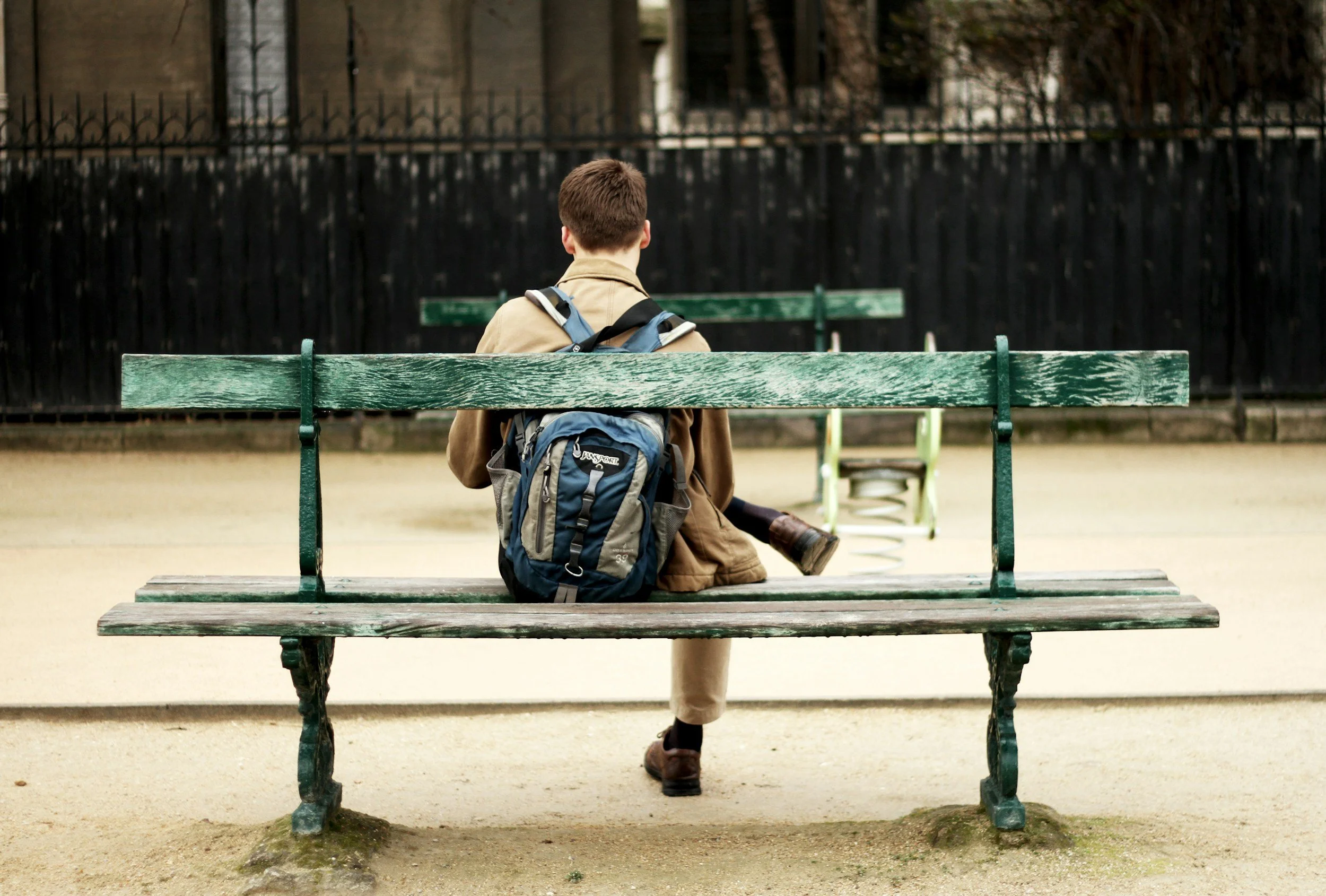
The beginning of a new school year can bring a lot of feelings.
Excitement. Nervousness. Anticipation. Frustration. Big emotions about leaving summer behind. A little more clinginess at drop-off. A few difficult mornings while everyone adjusts to a new routine.
For many children, these reactions are a normal part of transition.
But sometimes back-to-school anxiety shows up in ways that go beyond typical first-week nerves.
A child may not always have the words to say, “I'm feeling anxious about school.” Instead, their body, behavior, sleep, and emotions may start communicating for them.
So how can parents tell the difference between normal transition stress and a child who may need some additional support?
First, Some Back-to-School Anxiety Is Normal
Transitions are hard — especially for children.
A new classroom, new teacher, different schedule, unfamiliar expectations, or simply the end of a slower summer routine can be a lot for a developing nervous system to process.
You might notice your child:
Wants extra reassurance before school
Has some trouble separating at drop-off
Is more emotional or irritable than usual
Complains about school more than they did during the year
Has a harder time settling into bedtime
Needs more connection and reassurance at home
Has a few difficult mornings
None of these automatically mean something is wrong.
Sometimes a child simply needs time, consistency, connection, and space to adjust.
The question isn't necessarily, “Is my child anxious?”
A more helpful question might be:
“How much is this anxiety getting in the way of their everyday life?”

When Anxiety Starts Showing Up in the Body
Children don't always experience anxiety as a thought they can identify.
Sometimes anxiety shows up physically.
You might notice:
Stomachaches or headaches
Your child may frequently report feeling sick before school, particularly on school mornings or Sunday evenings.
Changes in sleep
They may have trouble falling asleep, wake more frequently, resist bedtime, or begin having nightmares.
Changes in appetite or energy
Some children eat less when they're anxious. Others may seek out food more frequently. You may also notice changes in their usual energy level.
Physical symptoms don't automatically mean anxiety — children can obviously get sick for many reasons. But when physical complaints repeatedly show up around school, it's worth paying attention to the pattern.
When Anxiety Starts Showing Up in Behavior
Anxiety can also look like behavior that seems confusing, defiant, or disproportionate.
You might see:
Irritability
Your child may become unusually short-tempered, tearful, argumentative, or easily frustrated.
Avoidance
They may suddenly avoid getting ready, talking about school, packing their backpack, choosing clothes, or participating in activities they previously enjoyed.
Frequent reassurance-seeking
Questions like:
“Are you sure you'll pick me up?”
“What if something happens?”
“Are you sure my teacher likes me?”
“What if I don't know what to do?”
A child who repeatedly asks the same questions may not be looking for information as much as they are looking for help feeling safe.
Big emotional reactions
Meltdowns, crying, anger, shutdowns, or intense distress can all be ways children communicate that something feels overwhelming.
The behavior is important — but so is the feeling underneath it.
Instead of only asking, “How do I get this behavior to stop?”
We can also ask:
“What might this behavior be telling me?”
When Anxiety Starts Affecting School Attendance
One of the bigger signs that a child may need additional support is school avoidance or school refusal.
This can look like:
Repeatedly refusing to go to school
Becoming extremely distressed at drop-off
Hiding, running away, or becoming physically unable to leave the house
Frequent physical complaints specifically on school days
Missing school because anxiety feels too overwhelming
Increasing distress as Sunday evening or Monday morning approaches
School refusal isn't simply a child being “difficult” or “not wanting to go.”
There may be anxiety, separation concerns, social stress, learning difficulties, bullying, sensory overwhelm, or another experience underneath the avoidance.
The goal isn't to shame a child into going.
It's to understand what's making school feel so difficult and determine what support they need.
Pay Attention to Patterns, Not Just One Hard Day
One of the most important things parents can do is zoom out.
A rough Monday doesn't necessarily tell you much.
A rough first week doesn't necessarily tell you much either.
But if you're noticing that your child's anxiety is persistent, intensifying, or interfering with daily life, it's worth taking a closer look.
Consider asking:
Is this getting better as my child adjusts, or getting worse?
Is anxiety affecting sleep, eating, friendships, family life, or school attendance?
Are physical complaints happening repeatedly?
Does my child seem increasingly fearful or overwhelmed?
Are they avoiding things they normally enjoy?
Are their emotional reactions significantly different from their usual behavior?
Does my child seem unable to return to a calmer state after becoming upset?
Have I noticed these changes continuing beyond the initial transition period?
You don't need to wait for every box to be checked.
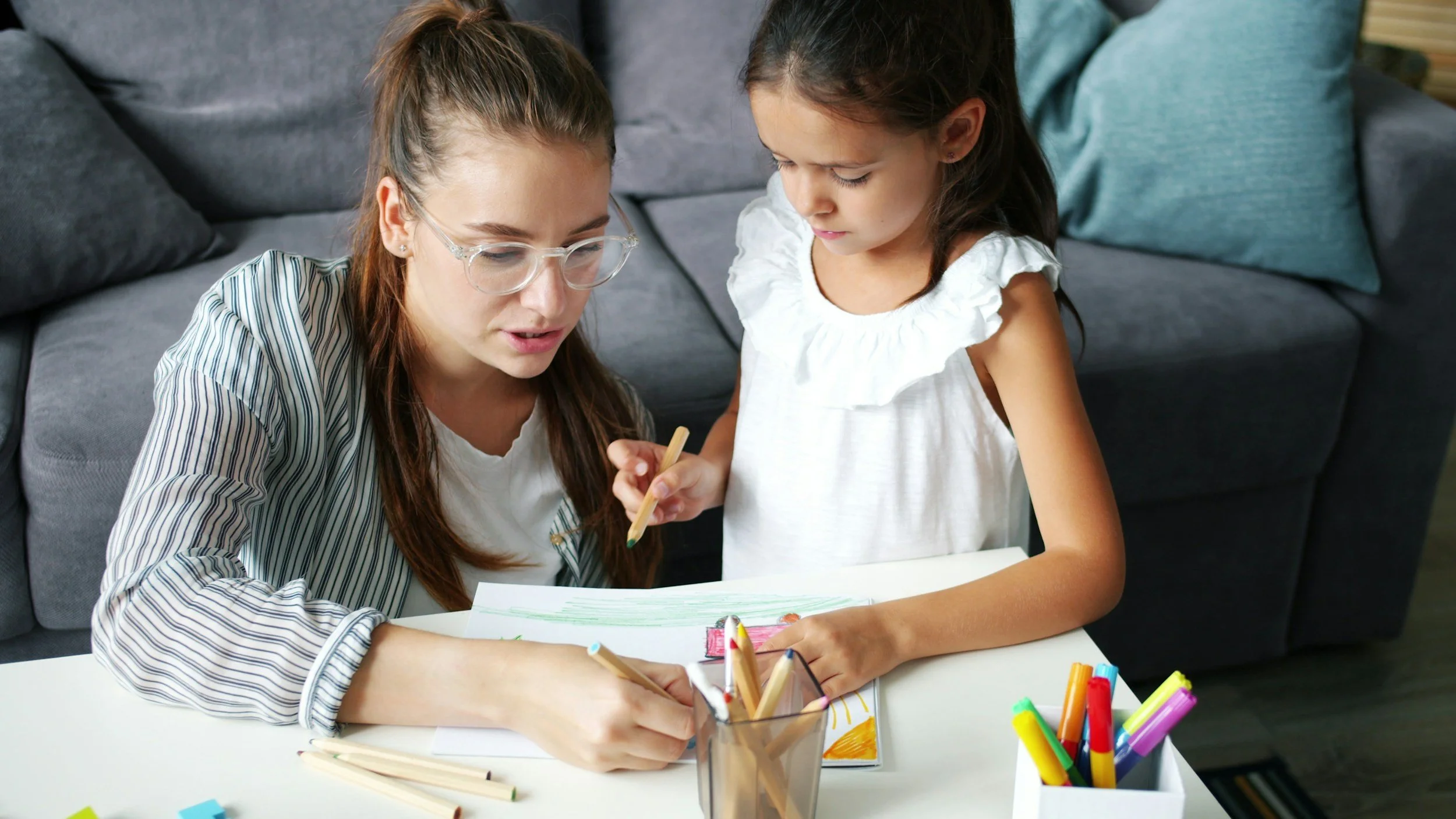
So When Should Parents Reach Out for Professional Support?
There isn't one magic threshold.
You can reach out when you notice a pattern that concerns you or when your child's anxiety is making everyday life harder for them or your family.
Professional support may be especially helpful when:
Anxiety is persistent or worsening
School avoidance is becoming frequent
Physical symptoms continue without another clear explanation
Sleep is significantly disrupted
Your child is withdrawing from friends or activities
Anxiety is interfering with school, home, or family life
Your child seems increasingly overwhelmed and unable to cope
You've tried supportive strategies at home and still feel stuck
You're simply worried and want another perspective
And importantly:
You don't have to wait until your child is in crisis to ask for help.
Therapy can be a space to understand what's happening, build coping skills, support emotional regulation, and help both children and caregivers feel less alone in figuring it out.
Start With Curiosity, Not Correction
When your child is struggling with back-to-school anxiety, it can be tempting to say:
“There's nothing to worry about.”
“You've done this before.”
“You have to go.”
“You're going to be fine.”
And of course, we're usually saying these things because we want to reassure them.
But sometimes reassurance doesn't address the actual feeling.
Instead, try getting curious.
“I've noticed mornings have felt really hard lately. What's been the hardest part?”
“Your stomach seems to hurt a lot before school. I wonder if your body is trying to tell us something.”
“You don't have to figure this out all at once. Let's talk about what feels hard.”
“I believe you. Let's figure out what might help.”
The goal isn't to remove every uncomfortable feeling.
It's to help your child learn:
“I can have a hard feeling, and I don't have to handle it by myself.”
And Parents Feel the Transition, Too
Back-to-school isn't only a transition for children.
Parents are adjusting to new schedules, earlier mornings, homework, activities, lunches, transportation, work demands, and the emotional needs of everyone in the household.
And sometimes our child's anxiety activates our own.
When your child is crying at drop-off, refusing to get dressed, or having a huge after-school meltdown, it can be difficult to stay regulated yourself.
That doesn't mean you're doing it wrong.
It means you're human.
Before asking your child to calm down, it can sometimes help to pause and ask yourself:
“What do I need right now so I can help them?”
A breath.
A little space.
A reminder that this is a transition.
A text to your partner or support person.
A decision to lower the expectations for the evening.
Supporting your child's mental health also means recognizing your own emotional load.
You Don't Have to Figure It Out Alone
Back-to-school anxiety exists on a spectrum.
For some children, a little extra connection, consistency, and time is enough.
For others, anxiety may be communicating that something deeper needs attention.
Neither means you have failed as a parent.
You don't have to know exactly what's happening before you reach out for support. You can start with:
“Something feels different with my child, and I'm not sure what's going on.”
That's enough.
Sometimes the first step isn't solving the problem.
It's getting curious about what your child is experiencing — and reminding them that they don't have to experience it alone.
