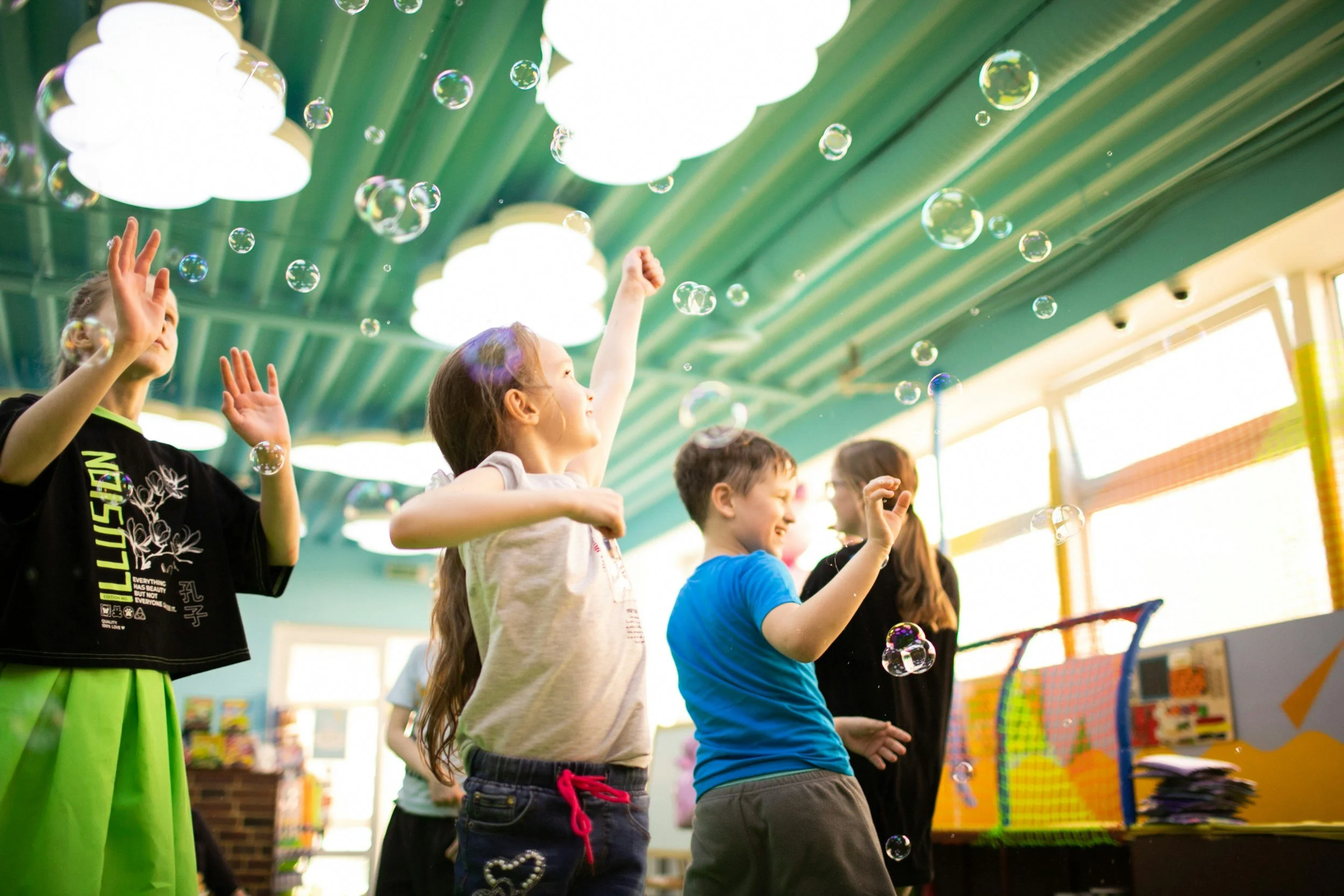
Children don't always have the words to explain what they're feeling—but they almost always show us through their bodies.
As parents and caregivers, you've probably noticed it before. A child stomping through the house after a difficult day. Constant fidgeting before school. Spinning in circles when they're excited or curling into a ball when they're overwhelmed. Long before children can identify emotions like frustration, disappointment, anxiety, or grief, they communicate through movement.
That's where Dance/Movement Therapy (DMT) can make a meaningful difference.
At Inspired Healing Therapy, Dance/Movement Therapy offers children another way to process emotions, build confidence, and strengthen emotional regulation—especially when talking alone doesn't feel like enough.
What Is Dance/Movement Therapy?
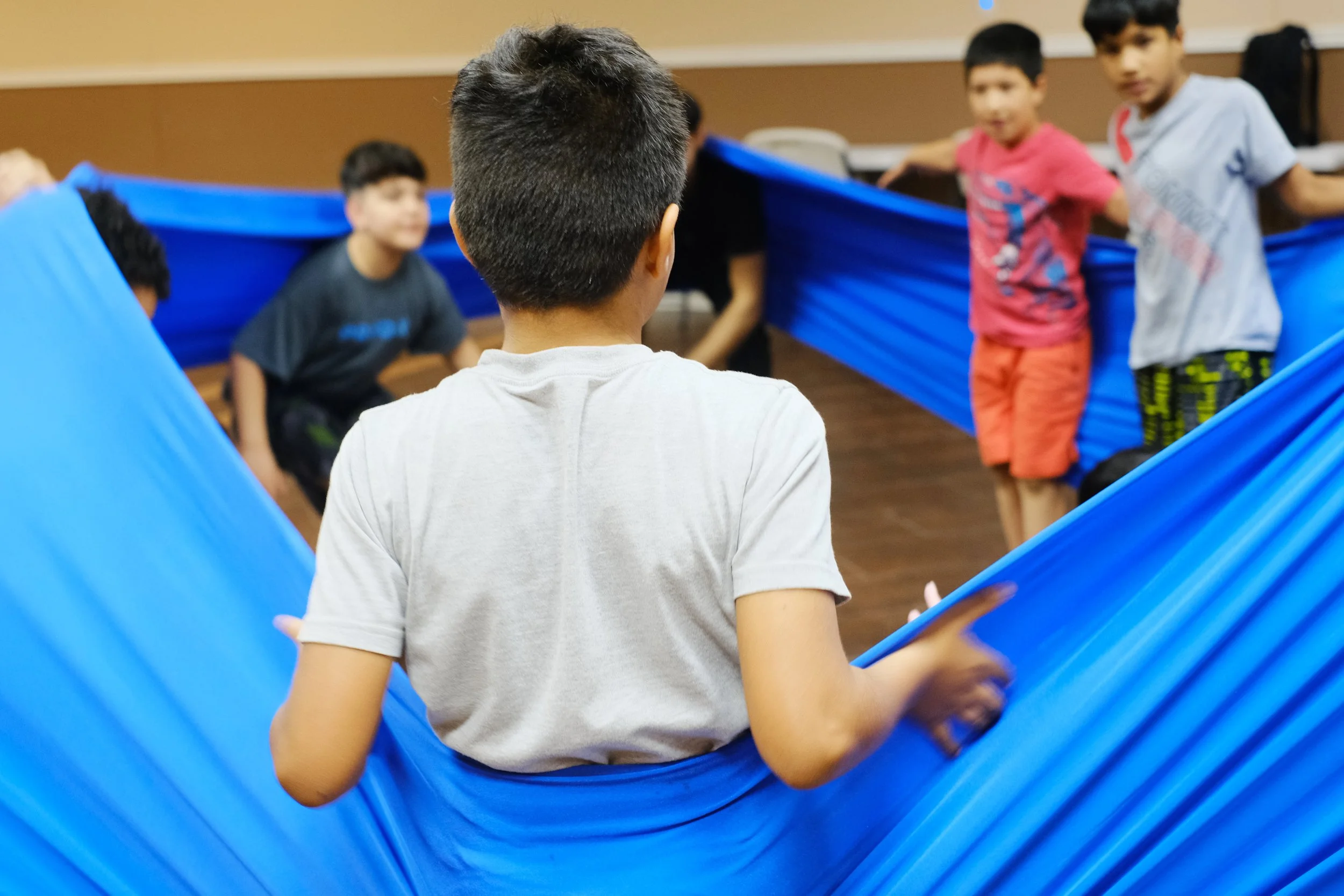
Dance/Movement Therapy is a form of psychotherapy that uses movement as a tool for emotional, social, cognitive, and physical well-being. Despite its name, Dance/Movement Therapy isn't about learning choreography or performing dance routines.
It's about using the body as a pathway to healing.
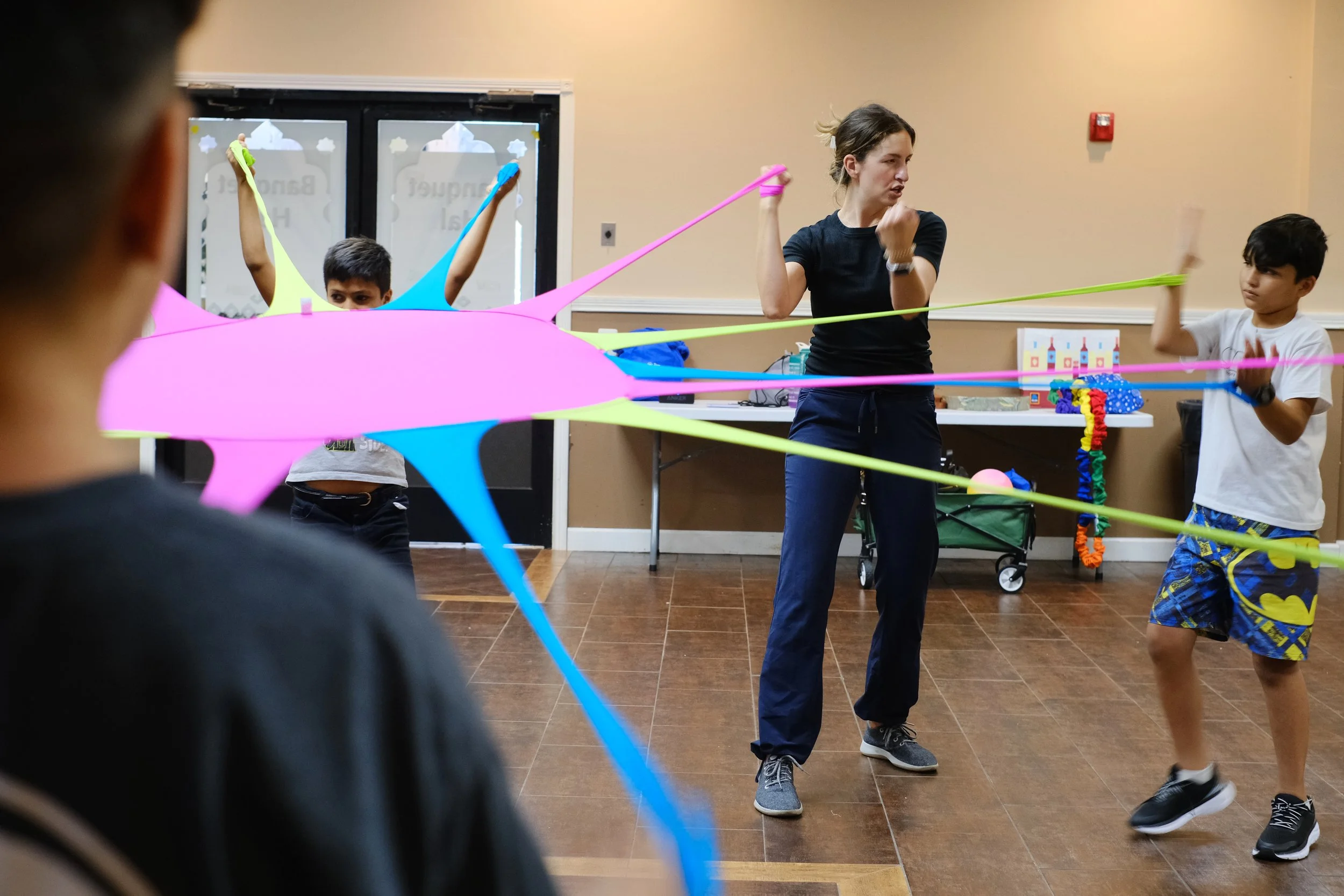
Sessions might include:
Creative movement
Guided play
Breathing exercises
Mindfulness
Rhythm
Stretching
Storytelling through movement
Games that build emotional awareness
Every activity is thoughtfully chosen based on a child's developmental needs and therapeutic goals.
Why Movement Matters
Children experience emotions in their whole bodies.
Think about the last time your child was nervous before school. Maybe their stomach hurt. Maybe they couldn't sit still. Maybe they suddenly became tearful or irritable.
Our nervous systems respond to stress physically before we can often make sense of it mentally.
For children, movement can help:
Release built-up tension
Increase body awareness
Improve emotional regulation
Support sensory processing
Develop coping skills
Strengthen confidence
Encourage healthy expression
Instead of asking children to simply "use your words," Dance/Movement Therapy gives them another language entirely.

Back-to-School Regulation: When the After-School Meltdown Hits
The first few weeks of school can ask a lot of children's nervous systems.
They've spent hours listening, sitting, following directions, navigating transitions, managing friendships, learning new information, and adapting to a different environment. By the time they walk through the front door, they may have very little capacity left.
And that's when the meltdown happens.
Crying over the wrong snack.
Getting frustrated because a shoe won't go on.
Yelling about homework.
Collapsing on the floor over something that seems very small.
It can be tempting to think, "Why are they falling apart now when they held it together all day?"
Sometimes, that's exactly why they're falling apart.
School may require children to spend much of the day managing their emotions and bodies. Once they return to a place where they feel safe, all of that accumulated stress can finally come out.
Movement Can Help Children Come Back to Their Bodies
Instead of immediately asking a child to explain what happened or "calm down," consider giving their nervous system an opportunity to discharge some of that built-up energy first.
Try:
A short walk around the block
A family dance party
Jumping on a mini trampoline
Stretching together
Playing freeze dance
Throwing a ball back and forth
Animal walks across the room
Lying on the floor with music and taking a few slow breaths
Simply giving them some unstructured movement time before asking about homework
The goal isn't to distract children from their emotions or make a meltdown disappear.
It's to help their bodies become regulated enough that they can access the skills they need to process those emotions.
Connection Before Correction
When your child comes home dysregulated, it can help to pause before correcting the behavior.
Instead of:
"Why are you acting like this?"
Try:
"Looks like your body had a really big day."
Instead of:
"You need to calm down."
Try:
"Let's help your body slow down first."
Instead of:
"Stop crying. It's not a big deal."
Try:
"Something about today feels really hard right now."
Once a child feels more regulated and connected, there's often a better opportunity to talk about what happened, problem-solve, or set boundaries.
And sometimes the best intervention is simply less talking and more connection.
What If This Happens Every Day?
Frequent after-school meltdowns don't automatically mean something is wrong. Transitions take time, and some children need more decompression than others.
But if your child's emotional responses are consistently intense, interfering with daily life, or making school and home feel increasingly difficult, it may be worth exploring additional support.
Dance/Movement Therapy can give children a dedicated space to build body awareness, emotional regulation, communication, and coping skills while using a language that already feels natural to them: movement.
The goal isn't to prevent every big feeling.
It's to help children develop more ways to move through those feelings—and to remind them that they don't have to navigate them alone.

Who Can Benefit?
Dance/Movement Therapy can support children experiencing:
Anxiety
ADHD
Autism spectrum disorders
Emotional regulation challenges
Grief and loss
Trauma
Life transitions
Low self-esteem
Behavioral concerns
Difficulty expressing emotions
It can also be beneficial for children who simply connect more naturally through play, creativity, and movement than through conversation alone.
What Does a Session Look Like?
One of the biggest misconceptions about Dance/Movement Therapy is that children are expected to dance.
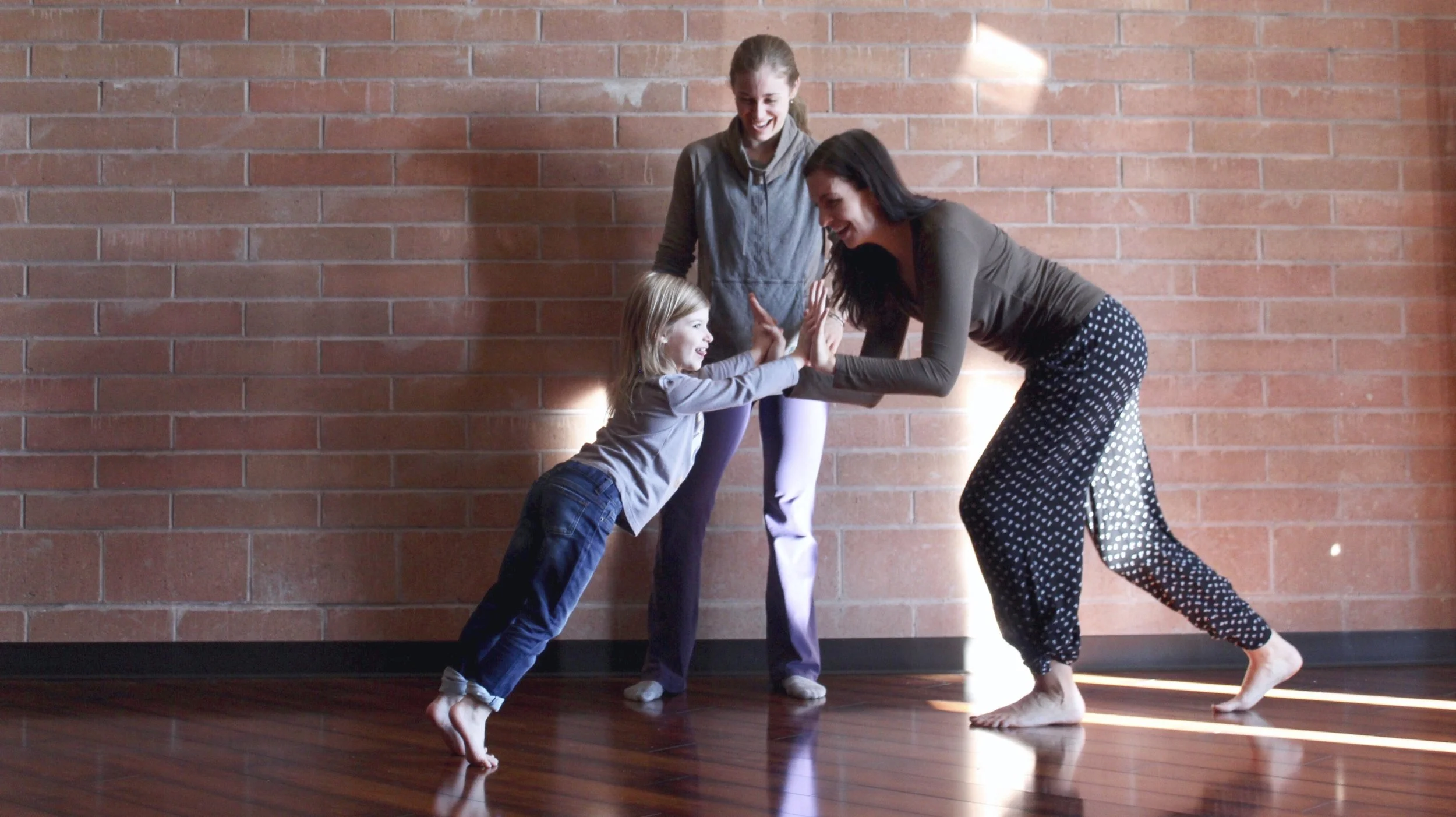
In reality, sessions are playful, flexible, and tailored to each child.
A therapist might invite a child to:
Pretend to move like different animals
Create movements that match different emotions
Practice calming breathing while gently stretching
Build confidence through obstacle courses or movement games
Explore storytelling through imaginative play
Learn grounding techniques using rhythm and body awareness
The goal isn't to perform. It is to help children better understand themselves and develop healthy ways of coping with life's challenges. Our dance therapists at Inspired Healing therapy would love to get to know you and your child.
The Science Behind Movement
Research continues to show that movement can positively influence emotional regulation and nervous system functioning.
Physical movement helps activate areas of the brain involved in attention, emotional processing, and self-regulation. It can also support children in recognizing internal body cues, managing stress responses, and building resilience over time.
When movement is paired with a strong therapeutic relationship, children gain opportunities to practice new skills in ways that feel engaging, safe, and developmentally appropriate.

How Parents Can Support Emotional Expression at Home
You don't need to be a dance therapist to encourage healthy movement at home.
Try:
Having a family dance party after school
Taking a "feelings walk" and talking while moving
Stretching together before bedtime
Playing freeze dance and noticing different emotions
Letting your child invent movements that match how they're feeling
Sometimes the most meaningful conversations happen while our bodies are moving.
Every Child Deserves More Than One Way to Be Heard
Not every child processes emotions through words—and that's okay.
Dance/Movement Therapy recognizes that healing can happen through movement, creativity, play, and connection. By honoring the ways children naturally communicate, we can help them build emotional awareness, confidence, and resilience that extends far beyond the therapy room.
If you're wondering whether Dance/Movement Therapy could be a good fit for your child, our team at Inspired Healing Therapy would be honored to help you explore the possibilities.
