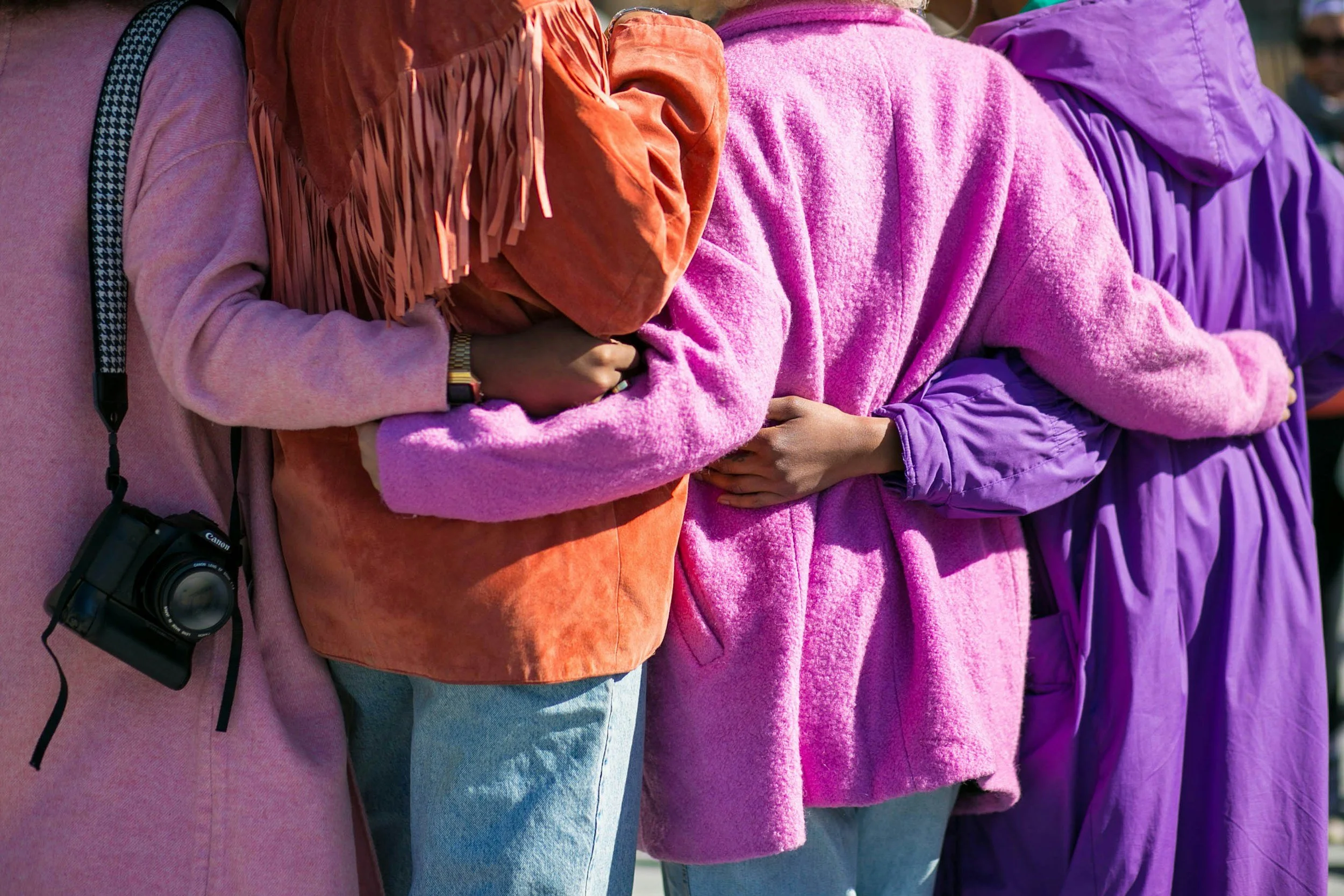
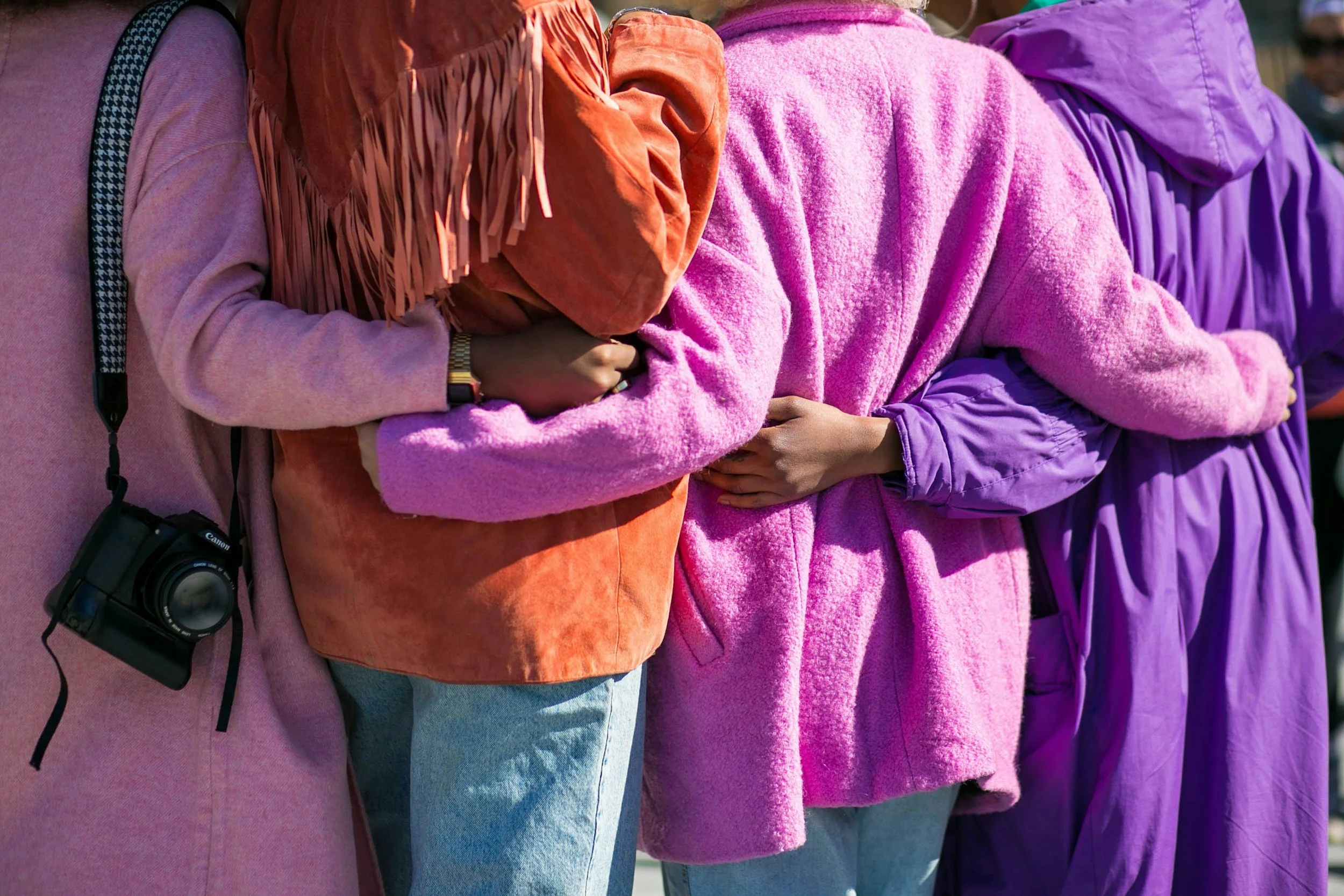
Mental health is deeply personal — but it is also shaped by the communities, cultures, and experiences that surround us.
July is recognized as BIPOC Mental Health Month, a time to honor the mental health experiences of Black, Indigenous, and people of color communities and to continue conversations around access, representation, identity, and healing.
While awareness months can be meaningful opportunities to pause and reflect, supporting BIPOC mental health is not something that should exist for one month alone. Creating more inclusive, affirming spaces for healing is ongoing work within our communities, our workplaces, our relationships, and our mental health systems.
Mental Health Does Not Exist Outside of Identity
Each person enters the therapy room with a unique story shaped by their experiences, relationships, culture, and environment.
For many BIPOC individuals, mental health can be connected to experiences such as:
Navigating cultural expectations and family dynamics
Carrying the impact of discrimination, racism, or systemic barriers
Feeling pressure to be strong for others
Balancing multiple identities and lived experiences
Experiencing generational patterns of stress, trauma, or resilience
These experiences do not define a person’s mental health journey — but they are important parts of understanding the whole person.
Healing becomes more meaningful when people do not have to separate who they are from the support they receive.

The Importance of Feeling Seen in Therapy
A strong therapeutic relationship is built on trust, safety, and understanding.
For many clients, finding a therapist who recognizes the importance of culture and identity can make a significant difference in feeling comfortable enough to share their experiences.
Culturally responsive therapy does not mean a therapist has experienced the exact same things as their client. It means approaching each person with curiosity, humility, and a willingness to understand their perspective.
It can look like:
Making space for cultural experiences and values
Recognizing how systems and environments impact mental health
Respecting each person’s individual relationship with identity and community
Creating a space where clients feel heard without needing to explain or minimize parts of themselves
Constant self-evaluation within the therapeutic relationship to offer unbiased identity-affirming care
Everyone deserves a place where their full story can be welcomed.
Community Care Is Mental Health Care
Healing is often talked about as an individual journey, but many cultures and communities have long recognized the importance of connection, shared experiences, and collective care.
Support can look different for everyone:
Building relationships where you can be your authentic self
Celebrating cultural traditions and community connections
Seeking support before reaching a breaking point
Creating spaces where others feel valued and included
Practicing compassion for yourself and your community
Sometimes healing means learning how to care for yourself. Sometimes it means allowing others to care for you.
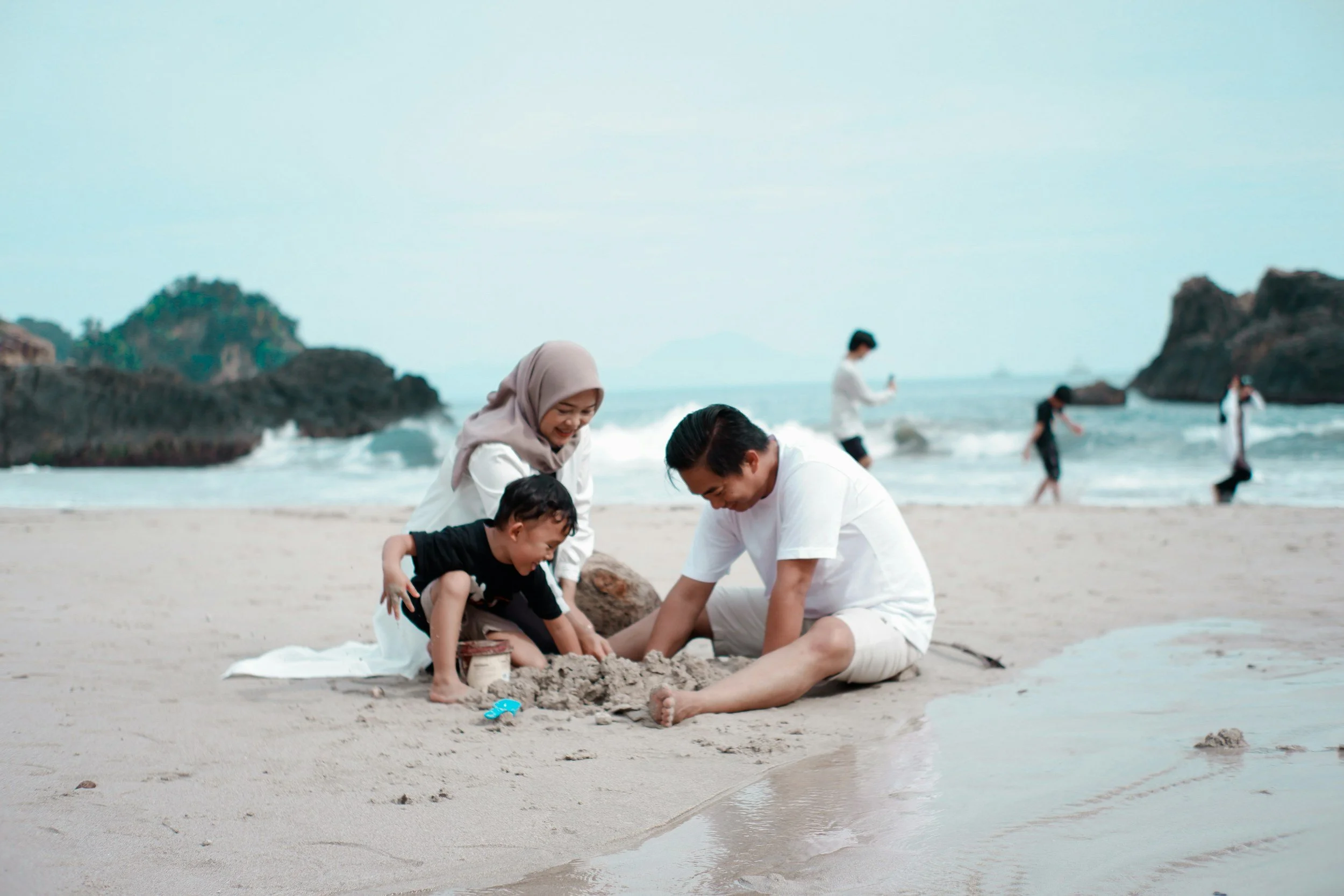
Continuing the Conversation Beyond July
BIPOC Mental Health Month is an opportunity to reflect but the work of creating accessible, inclusive mental health support continues all year.
Whether you are seeking therapy for yourself, supporting a loved one, or working to create more inclusive spaces, every step toward understanding and connection matters.
Mental health care should be a space where people feel respected, supported, and empowered to bring their whole selves.
At Inspired Healing Therapy, we believe healing happens through connection — and everyone deserves support that honors their experiences, identity, and story.
You are welcome here.
